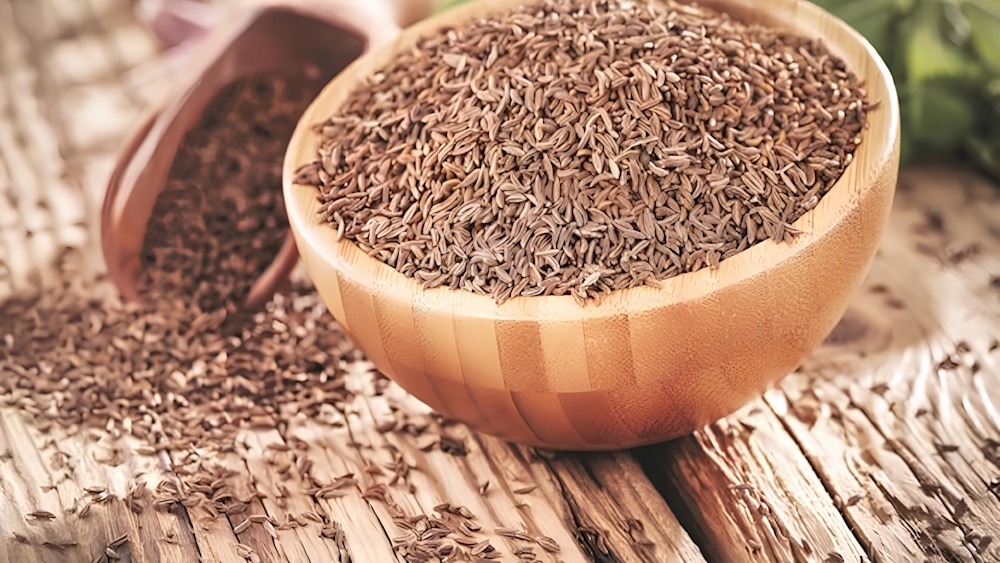
Jeera settled up 0.27% at Rs 20,800, bolstered by a swift contraction in the availability of premium-quality bold seeds, despite total physical crop supplies remaining relatively stable. Daily arrivals at major trading centers, including Unjha in Gujarat and regions of Rajasthan, have begun to show a notable decline. Concurrently, the presence of blight disease in critical areas of Gujarat has adversely impacted both the quality and quantity of the harvestable crop. The supply situation remains notably constrained for export-grade, high-purity bold seeds, sustaining premiums even in the face of muted overall demand. Farmers are actively liquidating stocks to generate cash for Kharif sowing, as favourable weather conditions in Northwest India have facilitated quicker harvesting and drying, thereby expediting market arrivals. NCDEX warehouse stocks have been on the rise, diminishing the urgency among traders.
Meanwhile, large industrial spice grinders are refraining from making bulk purchases, opting instead to wait for more favourable pricing. Domestic processors and stockists are engaging in hand-to-mouth purchasing and maintaining minimal pipeline inventories instead of pursuing aggressive forward coverage. Meanwhile, enhanced production forecasts in Turkey and Syria are exerting downward pressure on Indian export premiums, while ongoing geopolitical instability in the Middle East persists in influencing logistics and demand from conventional buyers. European and North American buyers have selectively re-entered the market for residue-compliant and high-specification lots. Domestic cumin production is projected to be between 90 and 92 lakh bags this year, a decrease from last year’s figure of 1.10 crore bags. Specifically, production in Gujarat is estimated at 42 to 45 lakh bags, while Rajasthan’s output is expected to range from 48 to 50 lakh bags.
China’s production estimates have been revised downward to 70–80 thousand tonnes as a result of unfavourable weather conditions. In contrast, Syria, Turkey, and Afghanistan are projected to yield 9–10 thousand, 10–11 thousand, and 10–12 thousand tonnes, respectively. India’s jeera exports experienced a significant decline of 34% year-on-year, totalling 10,713 tonnes in June 2026. Furthermore, exports for the April-June period decreased by 25%, amounting to 44,144 tonnes. However, exports to Singapore, Oman, and Argentina exhibited robust growth. Unjha spot prices concluded at Rs 20,518.05, reflecting a decline of 0.63%.
Technically, the market is experiencing short covering, as evidenced by a 0.68% decline in open interest to 8,730, while prices have increased by Rs 55, suggesting a resurgence in buying interest. Jeera is currently finding support at Rs 20,690. A sustained break below this level may lead to a decline in prices toward Rs 20,560. On the upside, resistance is positioned at Rs 20,880, and a decisive move above this level could lead to an extension of gains toward Rs 20,940.