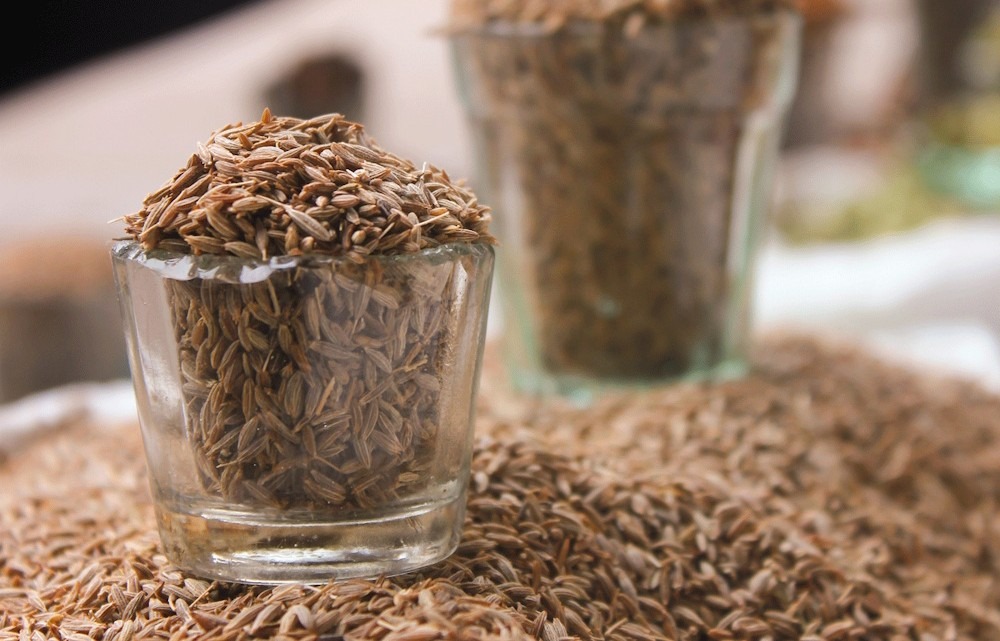
Jeera concluded at Rs. 24,710, reflecting a 0.98% increase, bolstered by a reduction in the availability of premium-quality bold seeds and a decrease in arrivals at key trading hubs, notably Unjha in Gujarat and Rajasthan. While the general availability of physical crops continues to show stability, there is a growing scarcity of export-grade seeds that meet high purity and quality standards. European and North American buyers have re-entered the market for residue-compliant supplies, whereas geopolitical instability in the Middle East persists in disrupting logistics and diminishing demand from traditional buyers.
However, gains remained constrained by aggressive selling from farmers, increasing NCDEX warehouse stocks, and a prudent approach to procurement by industrial spice processors, who continue to prefer hand-to-mouth purchases rather than bulk buying. Reports of blight disease in Gujarat have raised concerns regarding crop quality and marketable output. Meanwhile, enhanced production prospects in Turkey and Syria are exerting pressure on Indian export premiums. India’s cumin production for the current season is projected to be between 90 and 92 lakh bags, a decrease from last year’s figure of 1.10 crore bags. Specifically, production in Gujarat is estimated at 42 to 45 lakh bags, while Rajasthan’s output is expected to range from 48 to 50 lakh bags.
Adverse weather conditions have led to a downward revision of China’s production estimate to a range of 70,000 to 80,000 tonnes. In contrast, Syria, Turkey, and Afghanistan are projected to produce 9,000 to 10,000 tonnes, 10,000 to 11,000 tonnes, and 10,000 to 12,000 tonnes, respectively. India’s jeera exports experienced a decline of 32% year on year, totalling 9,318 tonnes in July 2026. Cumulative exports from April to July decreased by 27%, totalling 53,462 tonnes compared to 73,026 tonnes during the same period the previous year. Exports to Singapore experienced a remarkable increase of 889%, reaching 2,842 tonnes, whereas shipments to China saw a significant decline of 88%, falling to 710 tonnes. This disparity underscores the uneven nature of international demand.
In the Unjha spot market, prices experienced a decline of 0.95%, settling at Rs. 24,543.40, which stands in contrast to the gains observed in futures. Technically, jeera is experiencing short covering, as prices have increased by Rs. 240 while open interest has decreased by 9.35% to 3,723 contracts. Immediate support is positioned at Rs. 24,410, succeeded by Rs. 24,100. Resistance is positioned at Rs. 25,040, and a sustained movement beyond this threshold may lead to further gains toward Rs. 25,360.