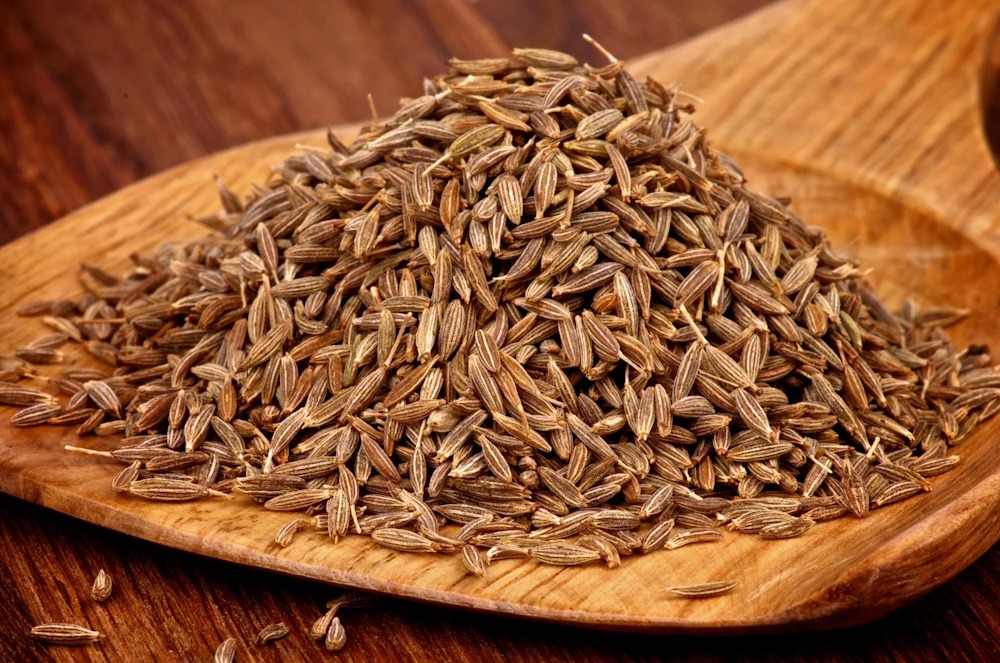
Jeera concluded the trading session with a 1.06% increase, reaching Rs 23,815. This rise is attributed to the swiftly diminishing availability of premium-quality bold seeds, as the supplies of export-grade high-purity seeds are depleting at a rate that outpaces the overall physical availability. Arrivals in key markets like Unjha in Gujarat and Rajasthan have begun to decline, as European and North American buyers have re-entered the market for residue-compliant and high-specification lots. However, geopolitical instability in the Middle East continues to exert pressure on logistics and demand from conventional purchasers.
Upside remained constrained as farmers actively liquidated inventories to enhance cash flow in anticipation of the forthcoming season, while favourable weather conditions in Northwest India expedited the processes of harvesting and drying. Increasing NCDEX warehouse inventories have diminished the urgency for spot procurement, while industrial spice grinders have maintained a hand-to-mouth purchasing strategy rather than engaging in bulk buying, resulting in steady yet cautious demand. Blight outbreaks in crucial regions of Gujarat have negatively impacted crop quality and the quantities available for harvest, while enhanced production forecasts in Turkey and Syria are exerting downward pressure on Indian export premiums. Domestic processors and stockists have likewise diminished their forward coverage.
National jeera production is projected to be between 90 and 92 lakh bags this season, a decrease from the previous year’s figure of 1.10 crore bags. In Gujarat, production is estimated at 42 to 45 lakh bags, while Rajasthan’s output is expected to range from 48 to 50 lakh bags. Overseas production is currently facing examination, with estimates indicating that China’s output ranges from 70,000 to 80,000 tonnes, Syria’s output is between 9,000 and 10,000 tonnes, Turkey’s production is estimated at 10,000 to 11,000 tonnes, and Afghanistan’s output falls within the range of 10,000 to 12,000 tonnes. India’s jeera exports experienced a significant decline of 32% year-on-year, totalling 9,318 tonnes in July 2026. Furthermore, the cumulative exports for the period from April to July decreased by 27%, amounting to 53,462 tonnes, down from 73,026 tonnes.
Singapore’s exports experienced a remarkable increase of 889%, reaching 2,842 tonnes, while Libya saw a significant rise of 450% to 341 tonnes. In contrast, exports to China faced a dramatic decline of 88%, falling to 710 tonnes. In Unjha, spot prices experienced a decrease of 0.05%, settling at Rs 23,642.1. From a technical perspective, the market is experiencing short covering, evidenced by a 3.04% decline in open interest to 4,395, alongside a price increase of Rs 250. Jeera exhibits support at Rs 23,480, with a potential decline below this level possibly testing Rs 23,150. Resistance is positioned at Rs 24,070, and a sustained movement above this threshold could propel prices toward Rs 24,330.