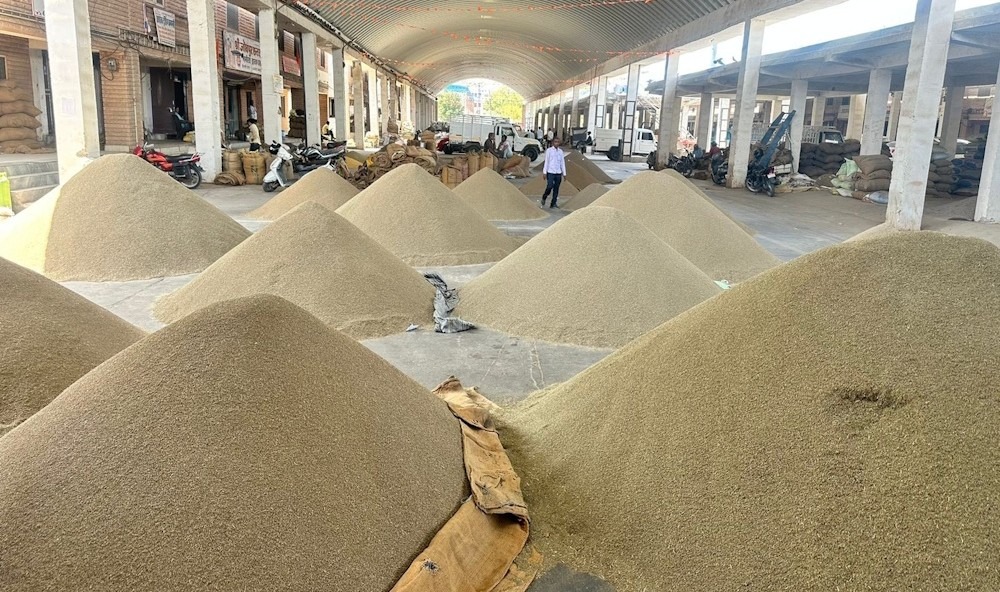
Jeera settled up 0.14% at Rs 20,940, bolstered by a swift contraction in the supply of premium-quality bold seeds. Daily arrivals at major markets like Unjha and Rajasthan have begun to decline, while outbreaks of blight in significant areas of Gujarat have impacted both the quality of crops and the quantities available for harvest. However, the upside remained constrained as farmers engaged in aggressive stock liquidation to secure cash for Kharif sowing, while favourable weather conditions expedited harvesting and deliveries. NCDEX warehouse stocks are also increasing, diminishing the immediate need for procurement.
Industrial grinders are exercising caution, opting for hand-to-mouth purchases, as enhanced crop prospects in Turkey and Syria exert pressure on Indian export premiums. Buyers in Europe and North America are engaging in selective procurement of residue-compliant and high-specification lots. India’s cumin production is projected to be between 90 and 92 lakh bags this season, a decrease from last year’s 1.10 crore bags. The output from Gujarat is estimated at 42 to 45 lakh bags, while Rajasthan’s production is expected to range from 48 to 50 lakh bags.
China’s production is projected to be between 70,000 and 80,000 tonnes, whereas Syria, Turkey, and Afghanistan are expected to yield approximately 9,000 to 10,000 tonnes, 10,000 to 11,000 tonnes, and 10,000 to 12,000 tonnes, respectively. India’s May jeera exports experienced a decline of 26% year-on-year, totalling 17,177 tonnes. In the period from April to May, exports decreased by 22%, amounting to 33,431 tonnes. However, shipments to Singapore, Mexico, and Yemen experienced a significant increase.
Technically, Jeera is experiencing fresh buying, as open interest has increased by 6.42% to 5,670 contracts, while prices have risen by Rs 30. Support is positioned at Rs 20,830, with an additional level at Rs 20,730. Resistance is identified at Rs 21,040, beyond which prices may approach Rs 21,150.