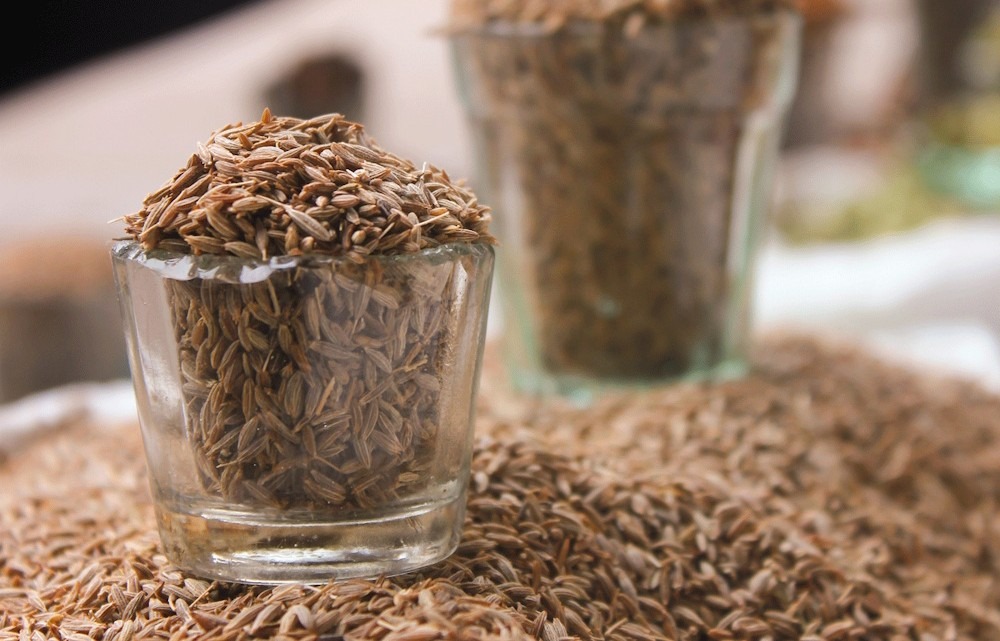
Jeera prices concluded at Rs 20,710, reflecting a decline of 0.89%. This decrease can be attributed to farmers actively liquidating their stocks to enhance cash flow for Kharif sowing. Additionally, favourable weather conditions in Northwest India facilitated quicker harvesting and drying processes, leading to an uptick in arrivals. Increasing NCDEX warehouse stocks have diminished the necessity for immediate procurement, as industrial spice grinders and domestic processors exhibit caution, opting for hand-to-mouth purchasing and steering clear of assertive forward coverage. However, the downside remained constrained by the tightening availability of premium-quality bold seeds, as arrivals at major markets like Unjha and Rajasthan began to decline significantly.
Blight outbreaks in key Gujarat growing areas have diminished both the quality and quantity of harvestable produce. Current estimates indicate that India’s cumin production is projected to be between 90 and 92 lakh bags, a significant decline from last year’s figure of 1.10 crore bags. The production in Gujarat is estimated to be between 42 and 45 lakh bags, while Rajasthan’s production is anticipated to be between 48 and 50 lakh bags. Global supply concerns present a mixed picture, with adverse weather conditions leading to a reduction in China’s production estimate to 70,000-80,000 tonnes, down from earlier expectations of approximately 100,000 tonnes. In contrast, Syria, Turkey, and Afghanistan are projected to produce 9,000-10,000 tonnes, 10,000-11,000 tonnes, and 10,000-12,000 tonnes, respectively.
Geopolitical instability in the Middle East persists, influencing logistics and demand from conventional buyers, while enhanced production prospects in Turkey and Syria exert pressure on Indian export premiums. European and North American buyers have selectively re-entered the market for residue-compliant and high-specification lots. India’s jeera exports experienced a year-on-year decline of 26%, totalling 17,177 tonnes in May 2026. Additionally, exports for the April-May period decreased by 22%, amounting to 33,431 tonnes. Growth in shipments to Singapore, Yemen, Mexico, and Kenya provided some support; however, this was insufficient to offset the decline in exports to traditional markets. In Unjha, spot prices experienced a decrease of 0.41%, settling at Rs 20,502.
Technically, the market continues to experience new selling pressure, as evidenced by a 5.1% increase in open interest to 6,249 contracts, coupled with a Rs 185 decrease in prices. Jeera is encountering support around Rs 20,610, and a decline beneath this threshold may reveal Rs 20,510. On the upside, resistance is positioned at Rs 20,880, and a sustained move above this threshold could initiate a recovery toward Rs 21,050.