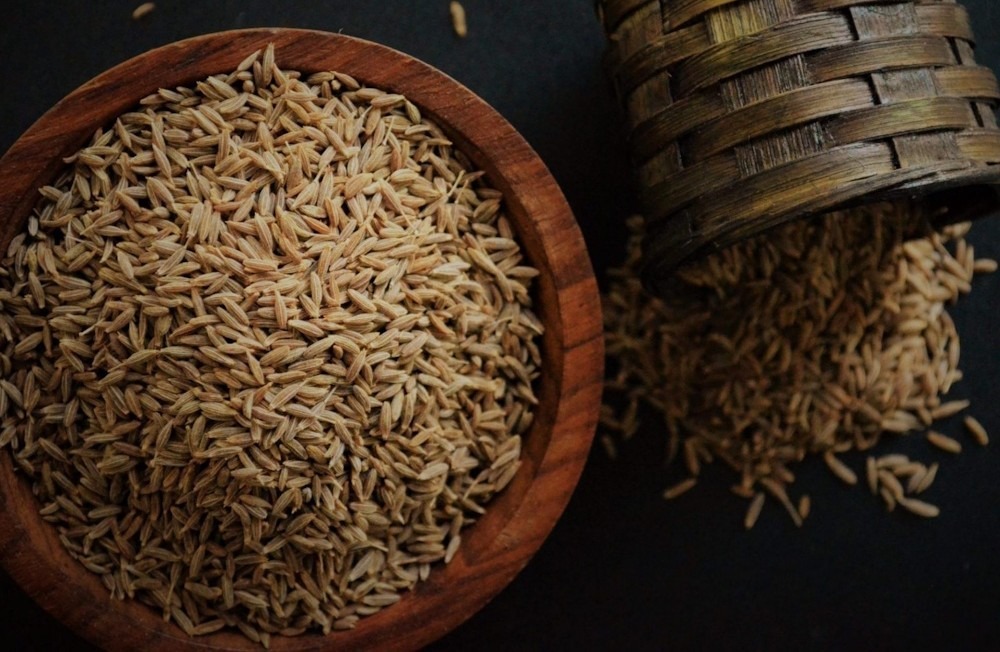
Jeera prices concluded the trading session down by 1.06% at Rs 19,510, as an influx of arrivals from key producing areas in Rajasthan bolstered market supplies and alleviated previous worries about constrained availability. Favourable weather conditions across North-West India have expedited harvesting activities, leading to quicker crop arrivals and generating a temporary supply surplus in physical markets. Farmers have also escalated stock liquidation efforts to enhance liquidity in anticipation of the forthcoming Kharif sowing season, thereby sustaining consistent selling pressure throughout major mandis. Daily arrivals at the Unjha mandi have stabilised at approximately 28,500 bags, indicating sufficient near-term supply conditions that are exerting downward pressure on prices.
Nonetheless, the decline in prices was constrained by apprehensions surrounding crop quality and diminished overall production forecasts. Recent thunderstorms and hailstorms in Rajasthan have reportedly inflicted damage on standing crops during the harvest stage, leading to concerns regarding the diminished availability of premium “A-grade” and “Sortex” quality jeera. Unseasonal rainfall has also hindered drying and processing activities in certain producing regions, leading to a temporary disruption in the flow of quality supplies into the market. Fundamentally, market sentiment continued to be bolstered by diminished production expectations. Industry estimates indicate that total cumin production in India is likely to decrease to approximately 90–92 lakh bags this season, down from nearly 1.10 crore bags in the previous year.
Gujarat’s production is estimated to be between 42 and 45 lakh bags, whereas Rajasthan’s output is projected to range from 48 to 50 lakh bags. Decreased acreage, diminished yields, and the emergence of blight disease in certain regions of Gujarat have adversely affected both crop quality and overall output. Internationally, production concerns in competing exporting countries such as China, Syria, Turkey, and Afghanistan continued to bolster long-term market sentiment. Market participants are anticipating heightened Chinese buying interest in the forthcoming months, driven by the need for inventory replenishment. Export data indicated that jeera exports for the period of April-February 2026 experienced a 15% year-on-year decline, totalling 166,536 tonnes.
However, exports in February saw a notable increase of 39% compared to January, suggesting a positive trend in monthly export demand. Technically, the market is experiencing long liquidation, evidenced by a 3.19% decline in open interest to 10,476 lots, alongside a price drop of Rs 210. Jeera is maintaining support at Rs 19,350, with potential further decline towards Rs 19,190, while resistance is identified at Rs 19,730 and Rs 19,950 levels.