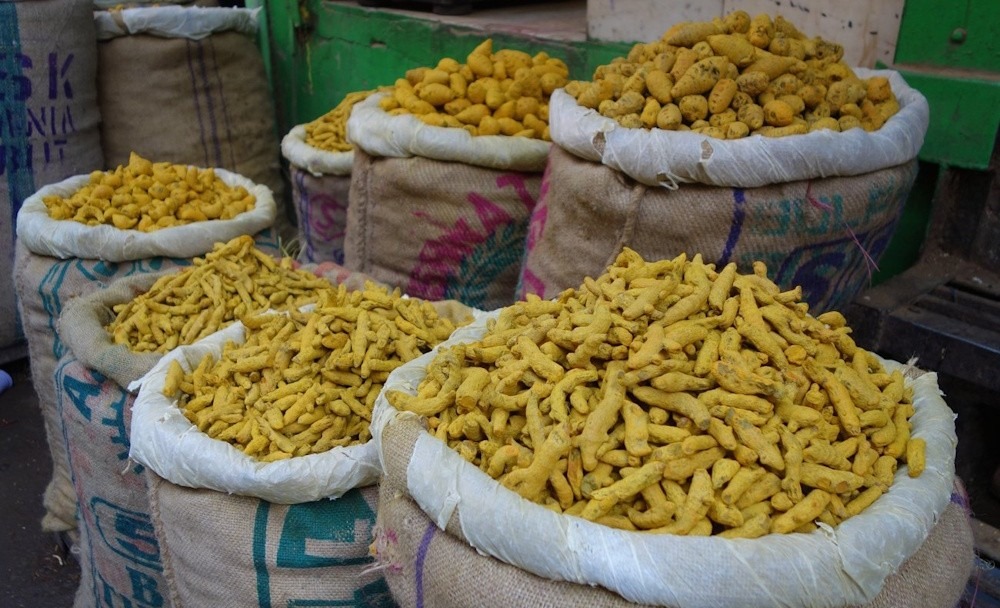
Turmeric settled sharply lower by 3.50% at Rs 20,018 as profit booking intensified after improved monsoon activity across Maharashtra, Telangana and North Karnataka eased concerns over crop damage and water availability. Key reservoirs in Telangana and Andhra Pradesh have also improved, ensuring reliable water supply during the vegetative stage and reducing immediate crop failure fears. Re-sowing in North Karnataka has been completed following rainfall, while crop conditions are improving, creating a softer production outlook.
However, downside remains limited by structurally tight supplies, reduced carry-forward stocks and concerns over the potential impact of El Nino on the newly sown crop. Industry estimates suggest carry-forward stocks have declined to around 15 lakh bags from more than 20 lakh bags last season, reducing the supply buffer. Farmer selling during the peak harvest window has increased immediate availability, while cautious stockist activity continues to manage supply.
European Union regulations on Maximum Residue Limits have resulted in rejection of non-IPM compliant lots, putting pressure on commercial-grade turmeric but supporting demand and premiums for IPM-certified stocks. Export demand remains encouraging, with India’s turmeric exports rising 30% year-on-year to 17,987 tonnes in June 2026 from 13,787 tonnes, while April-June exports increased 8% to 51,987 tonnes. China, Oman, Nigeria, Sri Lanka and Uruguay recorded strong growth in shipments, indicating broad-based international demand.
In Nizamabad, a major spot market, prices ended at Rs 20,021.25, down 0.40%. Technically, the market is under long liquidation, with open interest declining 1.19% to 36,225 contracts while prices fell Rs 726. Turmeric is currently finding support at Rs 19,724, and a break below this level could expose Rs 19,432. On the upside, resistance is placed at Rs 20,564, while a sustained move above this level could trigger a recovery toward Rs 21,112.