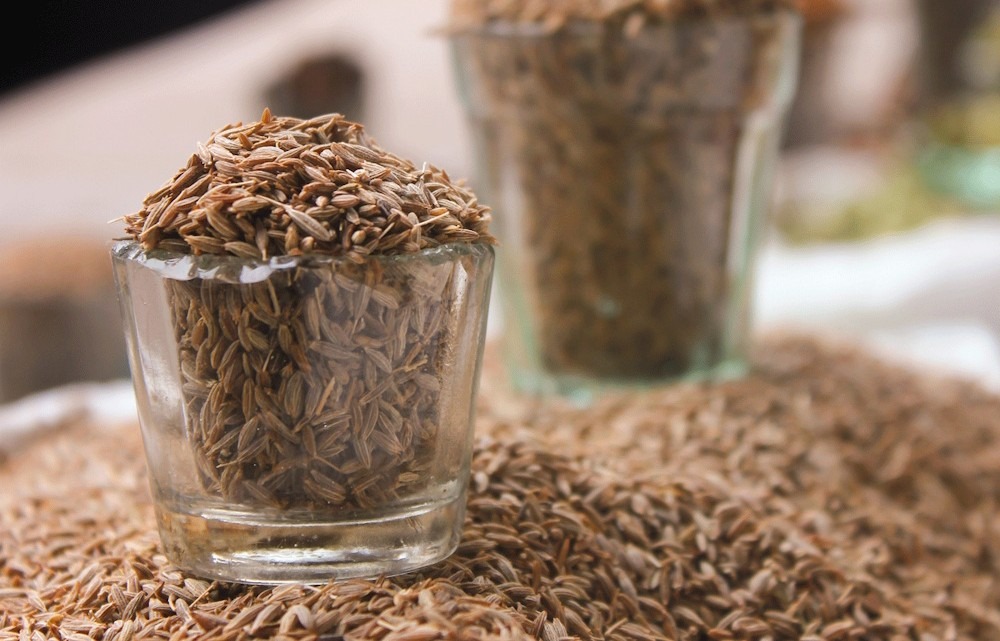
Jeera prices concluded at Rs 20,745, reflecting a decline of 0.84%. This downturn can be attributed to farmers actively liquidating their stocks to enhance cash flow in preparation for the Kharif sowing season. Additionally, favourable weather conditions in Northwest India have facilitated quicker harvesting and drying processes, thereby increasing market arrivals. Increasing NCDEX warehouse stocks have diminished the immediacy for spot procurement, as major industrial spice grinders are refraining from bulk purchases and are instead awaiting more definitive price signals. However, the downside remains constrained by the tightening availability of premium-quality bold seeds, as export-grade high-purity cumin supplies are diminishing at a rate that outpaces the overall physical availability.
Daily arrivals at major markets, including Unjha and Rajasthan, have begun to decline notably, while outbreaks of blight in critical areas of Gujarat have diminished both the quality of crops and the quantities available for harvest. Domestic processors and stockists are engaging in hand-to-mouth purchasing instead of pursuing aggressive forward coverage. This approach is sustaining demand while simultaneously constraining large-scale buying. European and North American buyers have selectively re-entered the market for residue-compliant and high-specification lots, thereby bolstering support for quality segments. Meanwhile, geopolitical instability in the Middle East continues to impact logistics and demand from traditional buyers, while enhancing production prospects in Turkey and Syria are exerting pressure on Indian export premiums.
Current estimates suggest that India’s cumin production could decrease to 90-92 lakh bags, down from 1.10 crore bags in the previous year. Production in Gujarat is projected to be between 42-45 lakh bags, while Rajasthan’s output is expected to range from 48-50 lakh bags. Outside India, adverse weather has reportedly led to a reduction in China’s production estimate to 70,000-80,000 tonnes from earlier expectations of approximately 100,000 tonnes. Meanwhile, Syria, Turkey, and Afghanistan are estimated to produce 9,000-10,000 tonnes, 10,000-11,000 tonnes, and 10,000-12,000 tonnes, respectively. Export demand exhibited persistent weakness, as evidenced by India’s jeera exports, which plummeted 34% year-on-year to 10,713 tonnes in June 2026.
Furthermore, the cumulative exports for the April-June period experienced a decline of 25%, totalling 44,144 tonnes. However, Singapore, Oman, and Argentina exhibited robust growth in shipments. In Unjha, spot prices experienced a decline of 0.32%, settling at Rs 20,590.85. From a technical perspective, jeera is experiencing a phase of long liquidation, as evidenced by a 1.28% decrease in open interest, which now stands at 8,790, alongside a price decline of Rs 175. Support is positioned at Rs 20,610, with a breach potentially leading to a test of Rs 20,470. Conversely, resistance is identified at Rs 20,970, and a sustained advance beyond this level could propel prices toward Rs 21,190.