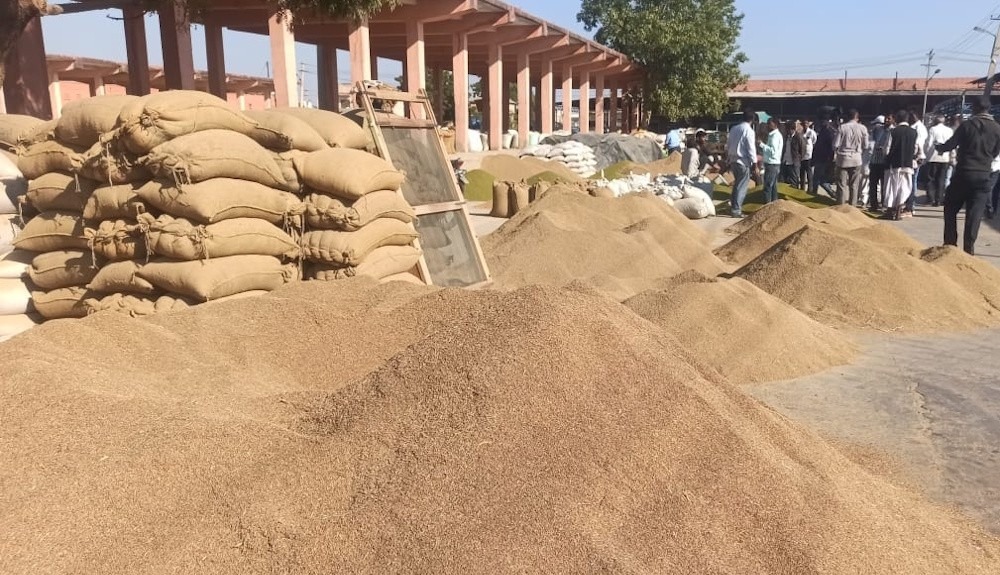
Jeera prices declined by 0.84% to close at Rs 21,835, influenced by the influx of the new crop and favorable supply conditions in major mandis. Sentiment remained muted, influenced by weak export demand, especially from China, resulting in an accumulation of domestic inventories. Farmers are currently offloading produce to capitalize on existing prices, thereby exerting additional pressure on the market.
On the supply side, production is anticipated to decrease by approximately 5% to 5.13 lakh tonnes this year. Gujarat, a significant producer, is experiencing a notable decline in output attributed to reduced acreage and yields, whereas Rajasthan is expected to mitigate some of the losses through increased production. Weather continues to be a significant determinant, with increasing temperatures in North Gujarat posing a risk to late-sown crops, which may lead to a constriction in supply in the future.
Pest risks, including aphid infestation, alongside diseases such as blight, are increasingly becoming significant concerns. Demand trends exhibit a mixed pattern. Despite the consistent demand for premium-quality jeera, the overall export performance has experienced a notable decline, with January exports dropping by 48% compared to the previous year. Geopolitical disruptions in other producing countries have failed to result in an increased demand for Indian supplies.
From a technical perspective, the market is experiencing renewed selling pressure, as evidenced by increasing open interest that suggests a bearish sentiment. Immediate support is identified at Rs 21,680, with subsequent support at Rs 21,510. Resistance levels are noted at Rs 22,010 and Rs 22,170.