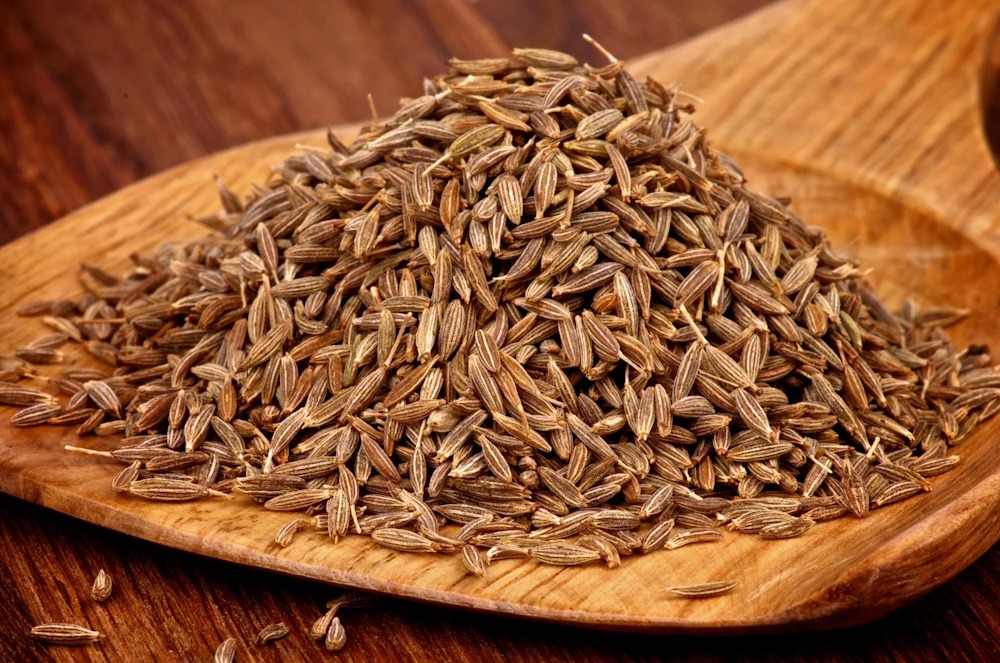
Jeera concluded at Rs 22,170, reflecting an increase of 0.48%. This rise was underpinned by a reduction in the availability of premium-quality bold seeds. However, the upward momentum was constrained by significant selling pressure from farmers and a lacklustre demand from bulk buyers. Physical crop availability remains broadly stable; however, the supplies of export-grade high-purity bold seeds are diminishing at a quicker pace than anticipated. Concurrently, daily arrivals at key markets, including Unjha and Rajasthan, have begun to decline. Blight outbreaks in critical regions of Gujarat have negatively impacted both the quality of crops and the quantities available for harvest. In contrast, favourable weather conditions throughout Northwest India have facilitated quicker harvesting and drying processes, thereby expediting deliveries.
Farmers are currently engaged in the liquidation of stocks to enhance cash flow in anticipation of the upcoming season, as increasing NCDEX warehouse stocks have diminished the urgency for immediate procurement. Large industrial spice grinders persist in a hand-to-mouth purchasing strategy and maintain a lean approach to pipeline replenishment, eschewing aggressive forward coverage. European and North American buyers have resumed their engagement with residue-compliant and high-specification lots, offering selective demand support. However, the ongoing geopolitical instability in the Middle East continues to impact logistics and traditional buying interest.
Production estimates suggest that Indian jeera output could decrease to 90-92 lakh bags, down from 1.10 crore bags in the previous year. The projections for Gujarat’s production stand at 42-45 lakh bags, while Rajasthan’s output is estimated to be between 48-50 lakh bags. Outside India, China’s production is projected to be in the range of 70,000 to 80,000 tonnes. In contrast, Syria, Turkey, and Afghanistan are anticipated to yield approximately 9,000 to 10,000 tonnes, 10,000 to 11,000 tonnes, and 10,000 to 12,000 tonnes, respectively. India’s jeera exports experienced a significant decline of 32% year-on-year, totalling 9,318 tonnes in July 2026. Furthermore, cumulative exports for the period from April to July decreased by 27%, amounting to 53,462 tonnes.
Singapore’s exports experienced a remarkable increase of 889%, reaching 2,842 tonnes, while Libya saw a substantial rise of 450%, totalling 341 tonnes. In contrast, exports to China experienced a significant decline of 88%, falling to 710 tonnes. In Unjha, spot prices concluded at Rs 22,059, reflecting an increase of 0.29%. Technically, jeera is experiencing short covering, evidenced by a 3.25% decline in open interest to 6,252, while prices have increased by Rs 105. Support is positioned at Rs 22,050, beneath which prices may test Rs 21,910. On the upside, resistance is observed at Rs 22,270, beyond which prices may test Rs 22,350.