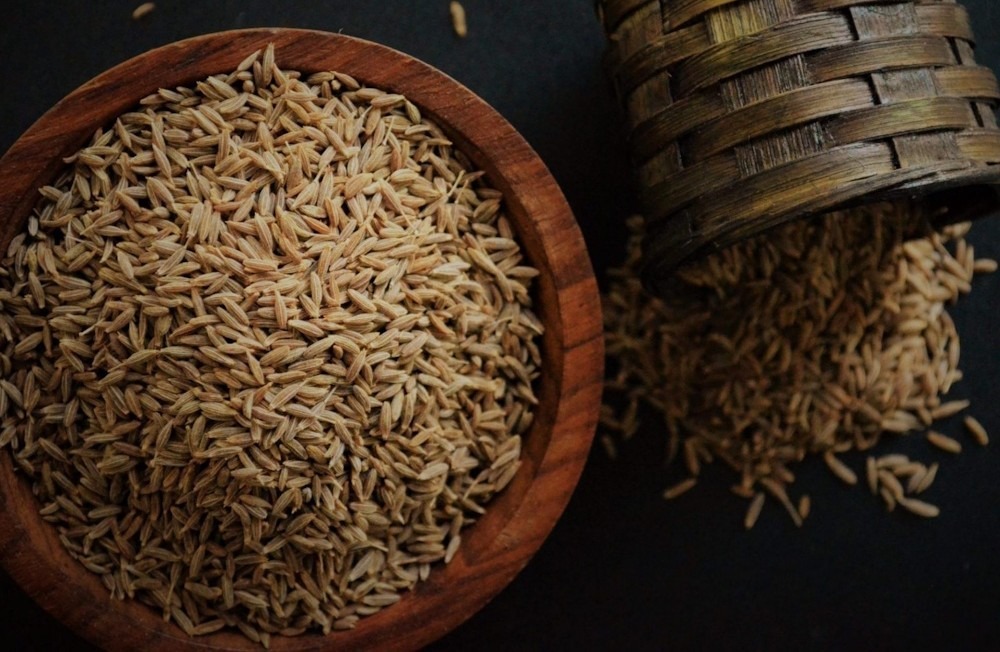
As active farmer liquidation ahead of the forthcoming season increased market arrivals and put pressure on prices, Jeera finished 0.4% lower at Rs 21,370. Favourable weather conditions in Northwest India facilitated a more rapid harvesting and drying process than anticipated, thereby expediting deliveries. Concurrently, the increase in NCDEX warehouse stocks diminished the immediate need for spot procurement. Large industrial spice grinders exhibited a cautious stance regarding bulk purchases, opting to defer decisions in anticipation of lower prices while constraining immediate demand. However, the downside remained constrained by the tightening availability of premium-quality bold and export-grade seeds.
Arrivals at major markets, including Unjha and Rajasthan, have begun to decline markedly, while outbreaks of blight in certain regions of Gujarat have impacted both the quality of crops and the quantities available for harvest. European and North American buyers have resumed their purchasing activities in a selective manner, focusing on residue-compliant and high-specification lots, which has contributed to the strengthening of quality premiums. Meanwhile, geopolitical tensions in the Middle East persist, disrupting logistics and diminishing demand from conventional buyers, which fosters a hand-to-mouth purchasing approach instead of proactive inventory accumulation. Production prospects in Turkey and Syria prior to their harvest have also exerted pressure on Indian export premiums.
Current estimates indicate that Indian jeera production stands at 90-92 lakh bags, a decline from the previous year’s figure of 1.10 crore bags. Specifically, production in Gujarat is projected to be between 42-45 lakh bags, while Rajasthan’s output is estimated at 48-50 lakh bags. China’s production is projected to be between 70,000 and 80,000 tonnes as a result of unfavourable weather conditions. In contrast, Syria, Turkey, and Afghanistan are anticipated to yield 9,000 to 10,000 tonnes, 10,000 to 11,000 tonnes, and 10,000 to 12,000 tonnes, respectively. India’s jeera exports experienced a significant decline of 34% year-on-year, totalling 10,713 tonnes in June 2026.
Furthermore, exports for the April-June period decreased by 25%, amounting to 44,144 tonnes. In Unjha, spot prices concluded at Rs 21,394.2, reflecting a decrease of 0.12%. Technically, the market is experiencing long liquidation, as evidenced by a 1.25% decline in open interest to 5,694, alongside a price drop of Rs 85, which suggests profit booking and a reduction in positions. Jeera is maintaining its position above the support level of Rs 21,270, and a decline beneath this threshold may lead to further weakness toward Rs 21,170. On the upside, resistance is positioned at Rs 21,520, and a decisive move above this level could propel prices toward Rs 21,670.