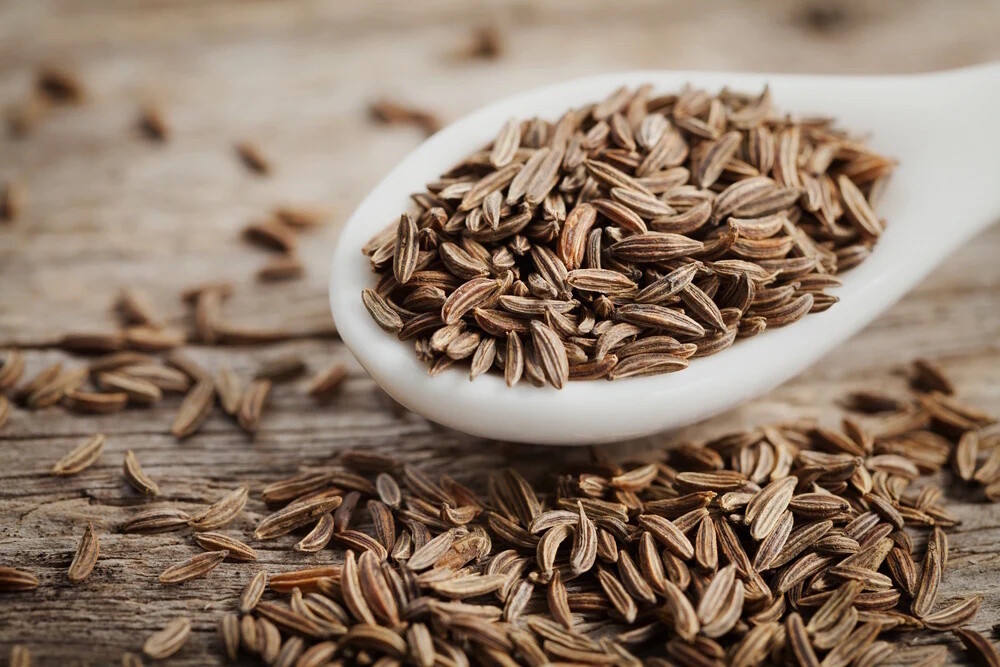
Jeera settled higher by 1.31% at Rs 26,325, bolstered by tightening supplies of premium quality bold seeds, diminished arrivals in key trading centers, and anticipations of enhanced export demand in the lead-up to the festival season. Farmers are strategically withholding stocks, expecting improved prices as the October sowing period approaches. Concurrently, buyers from Europe and North America have reinitiated their acquisitions of residue-compliant, high-specification cumin. However, geopolitical tensions in the Middle East persist in disrupting logistics and exerting pressure on demand from traditional buyers.
India’s cumin production is projected to be between 90 and 92 lakh bags this year, a decline from last year’s figure of 1.10 crore bags, indicative of a decrease in sowing acreage. Gujarat’s production is anticipated to be between 42 and 45 lakh bags, whereas Rajasthan’s output is forecasted to range from 48 to 50 lakh bags. Internationally, adverse weather has led to a downward revision of China’s estimated production to 70,000-80,000 tonnes, a decrease from earlier expectations of approximately 100,000 tonnes. Syria’s production is estimated to be between 9,000 and 10,000 tonnes, while Turkey’s output ranges from 10,000 to 11,000 tonnes, and Afghanistan’s production is projected at 10,000 to 12,000 tonnes. These production estimates may impact India’s export competitiveness, especially with the anticipated improvement in supplies from Turkey and Syria.
Despite concerns regarding reduced production and the constricting availability of export-grade seeds, the potential for price increases appears constrained by farmers’ selling activities aimed at generating cash for the forthcoming season, increasing NCDEX warehouse inventories, and the prudent procurement strategies employed by industrial spice processors. Most bulk consumers persist in hand-to-mouth purchasing rather than engaging in aggressive forward buying, while favourable weather conditions have expedited harvesting and deliveries. Blight outbreaks in certain regions of Gujarat have adversely impacted both crop quality and the volumes available for harvest.
In Unjha, a significant spot market, prices concluded at Rs 25,577.95, reflecting a decrease of 0.38%, which suggests a divergence from the performance observed in futures. Technically, the market is experiencing new buying activity, as evidenced by a 1.14% increase in open interest to 9,012 contracts, coinciding with a price rise of Rs 340. Jeera has established a support level at Rs 25,690, beneath which prices may potentially decline to Rs 25,060. Resistance is positioned at Rs 26,730, and a sustained movement above this threshold could propel prices toward Rs 27,140.