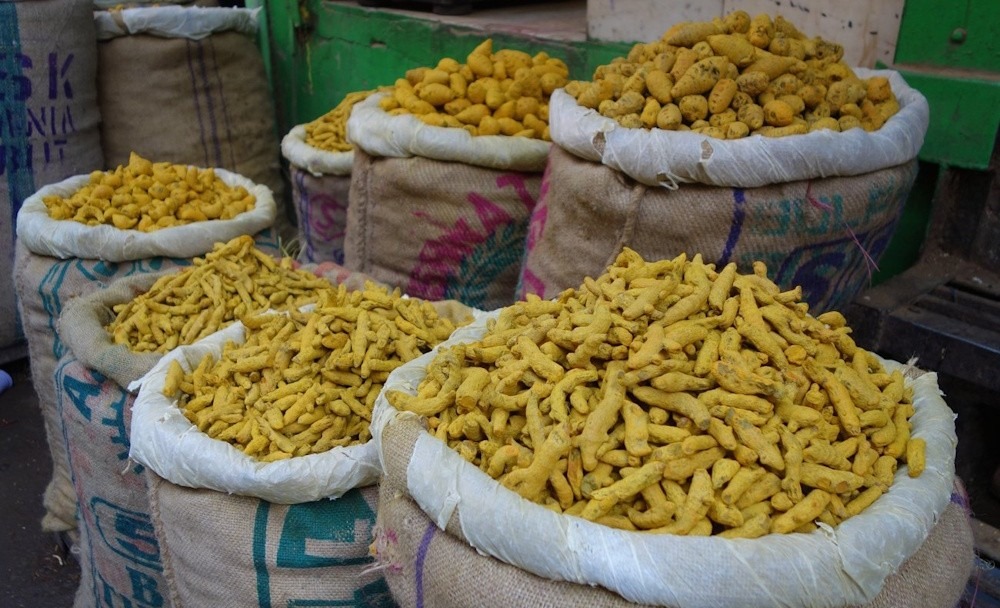
Turmeric concluded the trading session with a 0.57% increase, reaching Rs 21,134, driven by constrained supplies, diminishing carry-forward stocks, and apprehensions regarding inadequate rainfall and the possible impact of El Niño conditions on the growing crop. Sowing acreage is projected to rise by 16.05% year-on-year starting in 2025, maintaining levels above the five-year average of 1.88 lakh hectares. However, the slower-than-anticipated growth in several key cultivation areas has sparked apprehensions regarding total production levels. Carry-forward stocks are estimated at approximately 15 lakh bags, a decline from over 20 lakh bags in the previous season, which notably diminishes the supply buffer.
However, the potential for growth appears limited as monsoon activity showed improvement across Maharashtra, Telangana, and North Karnataka during mid-July, while reservoir levels in Telangana and Andhra Pradesh enhanced water availability for the vegetative phase. Re-sowing in North Karnataka has been finalised in the wake of recent rainfall, leading to an enhancement in crop conditions. Recent widespread rainfall across major turmeric-growing regions is anticipated to expedite sowing, while elevated prices may incentivise farmers to increase acreage during the ongoing Kharif season. Demand fundamentals continue to exhibit strength, as evidenced by India’s turmeric exports, which have increased by 30% year-on-year, reaching 17,987 tonnes in June 2026, up from 13,787 tonnes in the same month the previous year. Cumulative exports from April to June rose by 8% to 51,987 tonnes, in contrast to 47,950 tonnes during the same period last year.
China’s cumulative imports experienced a remarkable increase of 2,710%, reaching a total of 2,108 tonnes, whereas shipments from Oman saw a significant rise of 469%, amounting to 2,342 tonnes. Nigeria, Sri Lanka, and Uruguay also recorded robust growth, bolstering widespread export demand. Regulations regarding Maximum Residue Limits in the European Union continue to be a significant market determinant, as lots that do not comply with Integrated Pest Management standards encounter rejections and price reductions. Conversely, the increasing demand for IPM-certified turmeric bolsters the value of compliant stocks.
In Nizamabad, spot turmeric concluded at Rs 20,003.4, reflecting a decline of 0.49%, which suggests a degree of divergence from futures. Turmeric is currently experiencing fresh buying activity, evidenced by an 8.21% increase in open interest, reaching 35,190 contracts, alongside a price increase of Rs 120. Support is positioned at Rs 20,862, beneath which prices may test Rs 20,590, whereas resistance is identified at Rs 21,348; a sustained movement above this threshold could propel prices toward Rs 21,562.