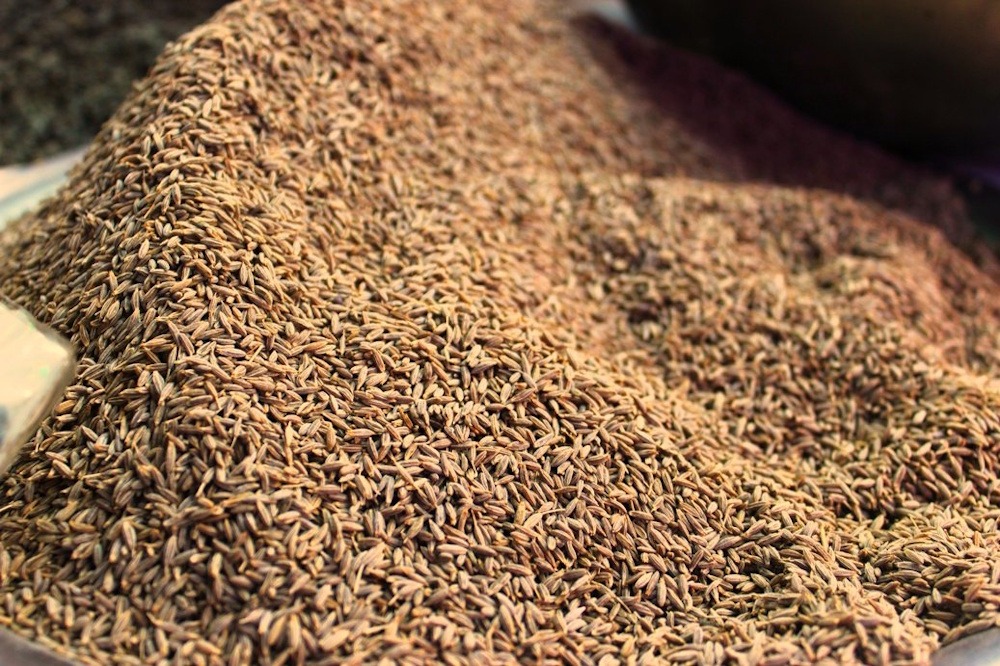
Jeera prices declined by 0.67% to close at Rs 21,590, as consistent arrivals of approximately 28,500 bags in Unjha persisted in limiting the upward potential. Notwithstanding this, arrivals continue to be lower compared to the previous year, suggesting a more constrained spot availability. Weather disruptions have notably affected crop yields—heatwaves in Gujarat during critical growth phases have resulted in shriveled grains, while hailstorms and unseasonal rains in Rajasthan and North-West India have caused crop damage and processing delays, thereby impacting the supply of premium “A-grade” and Sortex-quality jeera.
On the production front, output is projected to be between 90 and 92 lakh bags, a decrease from the previous year’s figure of 1.10 crore bags. Gujarat has experienced a significant downturn attributed to reduced acreage and yields, compounded by disease challenges such as blight, whereas Rajasthan’s crop prospects appear comparatively more favorable. Across the globe, nations such as China, Syria, and Turkey are encountering production difficulties attributed to weather-related factors. Nonetheless, export demand continues to exhibit weakness, as January shipments have decreased by 48% year-over-year, and overall exports have fallen by 15% for the period from April to January, thereby constraining any bullish momentum despite ongoing supply concerns.
The market is currently experiencing long liquidation, evidenced by a decrease in open interest in conjunction with declining prices. Immediate support is identified at Rs 21,420, with potential further decline towards Rs 21,240 if this level is breached. On the upside, resistance is positioned at Rs 21,810, and a movement beyond this threshold could drive prices towards Rs 22,020.