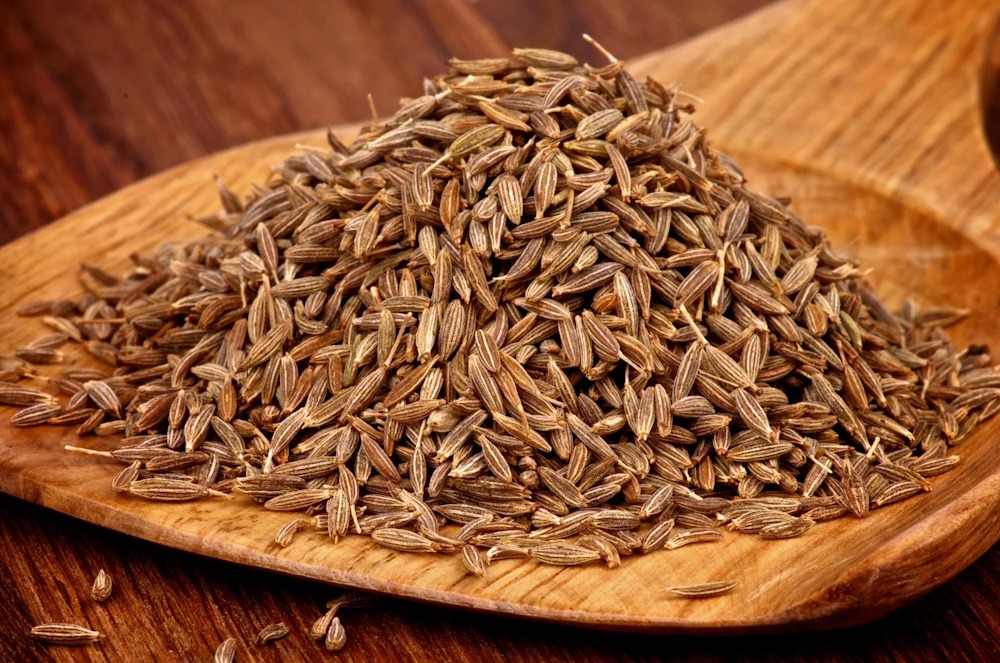
Jeera prices experienced a decline of 0.98%, concluding at Rs 21,735. This decrease was primarily influenced by consistent arrivals of approximately 28,500 bags in Unjha, which effectively restrained any upward movement. Nonetheless, when assessed on a year-on-year basis, arrivals continue to be lower, suggesting a more constrained spot availability.
The current season has been significantly influenced by weather patterns—intense heatwaves in Gujarat during the final crop stage have resulted in shriveled grains, while unseasonal rains and hailstorms in Rajasthan have harmed standing crops, heightening concerns regarding the availability of premium “A-grade” and bold-quality jeera. Production estimates indicate a more constrained situation, with total output projected at 90–92 lakh bags, a decrease from 1.10 crore bags in the previous year.
The output from Gujarat has experienced a notable decline, attributed to diminished acreage and reduced yields, compounded by disease outbreaks such as blight that have adversely affected quality. In light of these constraints, export demand continues to exhibit weakness, as evidenced by a 48% year-over-year decline in January shipments and an overall 15% decrease in exports for the period from April to January, thereby constraining any bullish momentum.
From a technical perspective, the market is experiencing new selling pressure, evidenced by a 1.7% increase in open interest alongside a decline in prices. Immediate support is identified at Rs 21,560, with potential further decline towards Rs 21,390. On the upside, resistance is positioned at Rs 22,040, and a breakout above this level could propel prices toward Rs 22,350.