
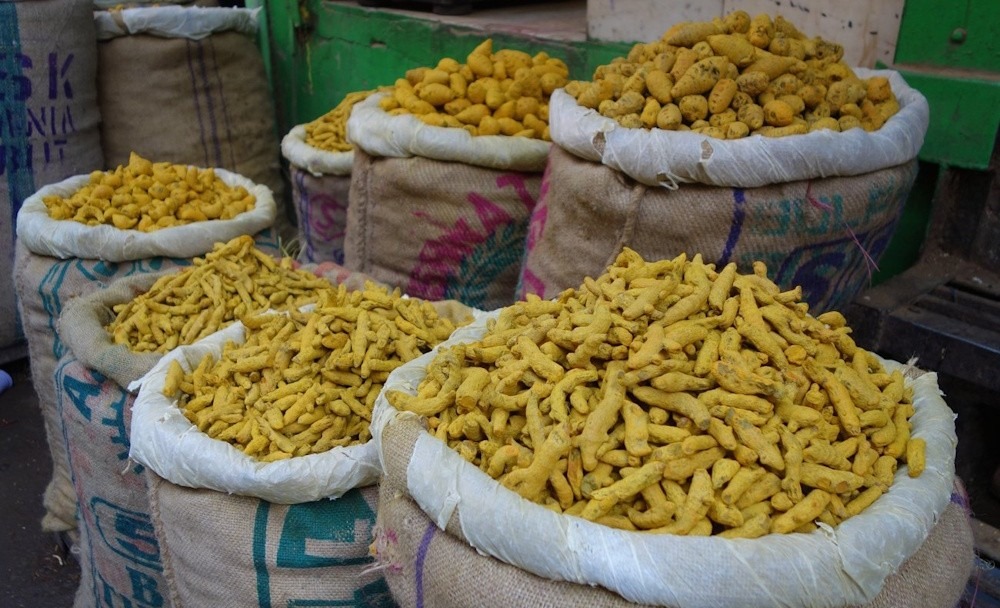
Turmeric futures maintained their upward trajectory, closing 0.69% higher at Rs 14,586, as supply prospects remained affected by weather-related disruptions. Key agricultural regions in Maharashtra, Andhra Pradesh, and Karnataka have experienced yield losses attributed to ongoing rainfall, resulting in substantial arrivals in Erode. Continuous rainfall in the Erode belt has led to disease outbreaks and heightened humidity, complicating the preservation of crops. Furthermore, the recent substantial rainfall in Nanded has adversely affected approximately 15% of the standing turmeric crop, thereby exacerbating supply concerns.
Despite these short-term disruptions, the potential for upside appears limited as market participants anticipate a probable increase in acreage for the ongoing sowing season. Favorable monsoon conditions, coupled with the comparatively lower profitability of alternative crops, are incentivizing farmers to increase their turmeric cultivation efforts. Preliminary estimates suggest that acreage may increase by 15–20%, with the total area for 2024–25 already reaching 3.30 lakh hectares—10% above last season’s figures.
On the supply side, turmeric stocks held by farmers in Warangal are almost depleted, with no new arrivals noted for two consecutive days. Export demand continues to show positive momentum, as shipments from April to September 2025 increased by 4.02% to reach 96,679.67 tonnes compared to the previous year. In September, exports experienced a year-on-year increase of 7.59%, although there was a slight month-on-month decline of 3.58%.
From a technical perspective, there is clear evidence of fresh buying, as indicated by a 0.39% increase in open interest to 7,740 contracts, alongside a price gain of Rs 100. Turmeric exhibits a support level at Rs 14,444, with potential further downside risk extending to Rs 14,302. Resistance is established at Rs 14,674, and a breakout above this level could propel prices toward Rs 14,762.