
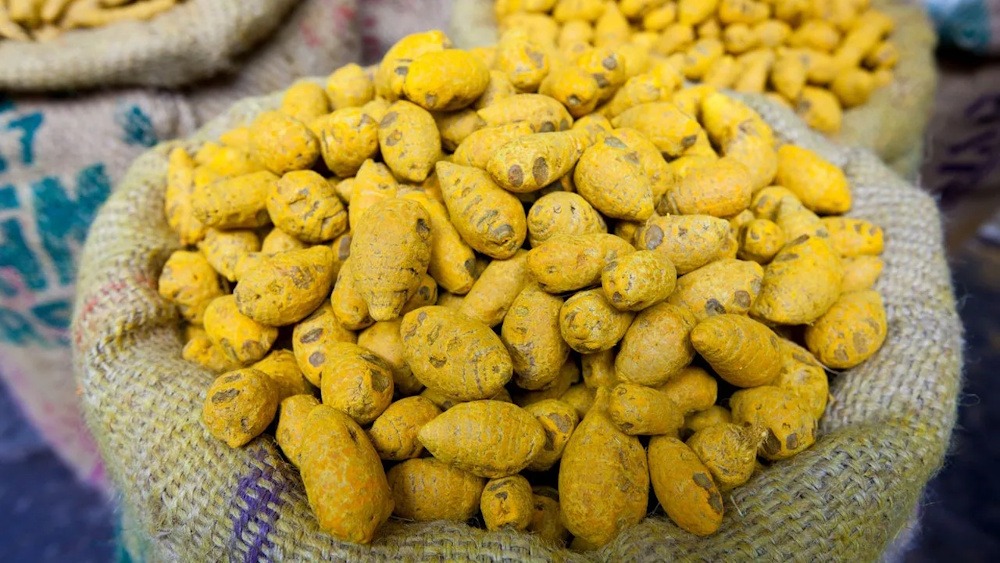
Turmeric declined by 1.5%, closing at Rs 15,582, influenced by anticipations of a significant increase in new arrivals at Erode in the forthcoming weeks. Enhanced acreage, bolstered by favourable precipitation during the planting season, has further intensified pressure. For the 2025–26 season, acreage is projected at 3.02 lakh hectares, reflecting a 4% increase year-on-year, with fresh output anticipated at 11.41 lakh tonnes. Dried production is estimated at 90 lakh bags compared to 82.5 lakh bags in the previous season.
Nonetheless, the potential drawbacks seem constrained. Current arrivals remain below the typical levels, with both farmers and stockists decreasing their inventories, thereby constraining near-term supply availability. Weather-related challenges, such as waterlogging and disease outbreaks in regions of Maharashtra, Andhra Pradesh, and Karnataka, have impacted agricultural yields, resulting in localised losses estimated at 15–20%.
Concerns regarding quality, including the presence of rhizome rot, persist in certain low-lying regions. Export demand persists in providing support. During the period from April to December 2025, turmeric exports experienced a year-on-year increase of 3.99%, whereas imports saw a significant decline of over 41%, indicating a contraction in domestic availability. Spot prices in Nizamabad experienced a decline of 1.7%, reflecting the weakness observed in futures markets.
From a technical perspective, the market is experiencing renewed selling pressure, evidenced by a 2.19% increase in open interest alongside a decline in prices of Rs 238. Support levels are identified at Rs 15,196 and Rs 14,808, whereas resistance is noted at Rs 16,176; a breakthrough above this point may pave the way toward Rs 16,768.