
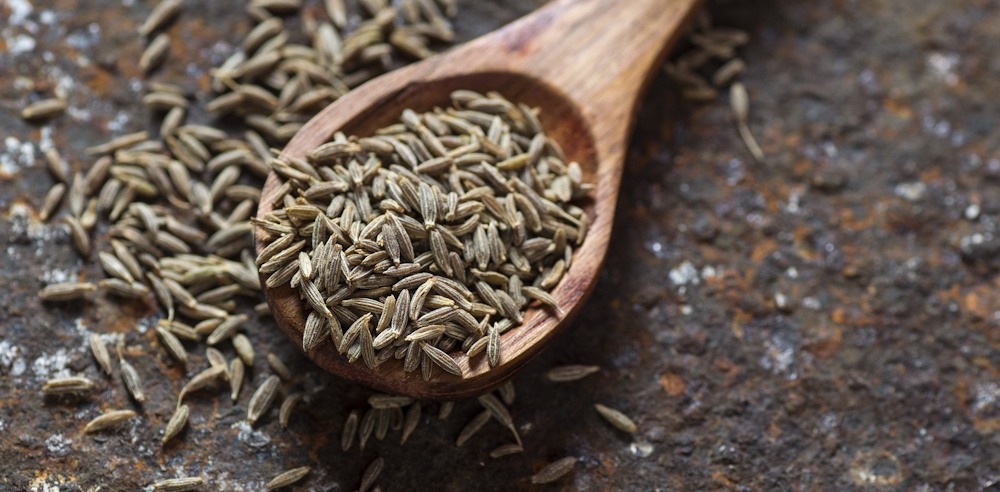
Jeera prices experienced a decline of 2.25%, closing at Rs 22,995. This movement can be attributed primarily to profit booking, coinciding with the influx of fresh arrivals from the new crop into select mandis. Arrivals are anticipated to accelerate starting in March, thereby intensifying near-term pressures. The presence of ample supplies and a lack of robust export demand, coupled with sufficient carry-forward stocks, has contributed to a dampened sentiment in the market. In Unjha, spot prices decreased by 0.45%, settling at Rs 23,120.95. Nevertheless, the potential drawbacks seem constrained.
Gujarat has experienced one of its most sluggish sowing seasons in recent years, with acreage declining by more than 14% year-on-year to 4.08 lakh hectares. Weather disruptions and delayed sowing have heightened apprehensions regarding output. Current production estimates stand at 90–92 lakh bags, a decline from last year’s 1.10 crore bags. Farmers continue to retain approximately 20 lakh bags, indicating a notable carry-forward is anticipated.
Globally, reduced output forecasts from China, Syria, Turkey, and Afghanistan could constrain overall supply, although export demand continues to exhibit price sensitivity. Exports from April to November experienced a decline of over 10% year-on-year, notwithstanding the enhanced shipments recorded in November.
From a technical perspective, the market is experiencing long liquidation, evidenced by a 4.23% decline in open interest. Immediate support is identified at Rs 22,790, with potential further decline towards Rs 22,570. Resistance is identified at Rs 23,340, and a breach of this threshold may propel prices towards Rs 23,670.