
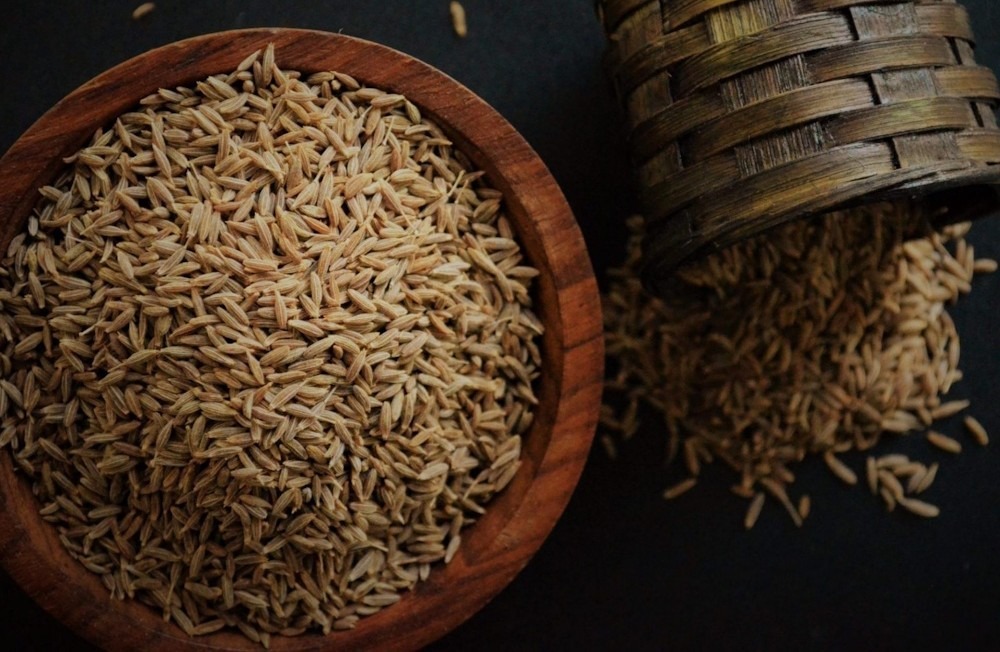
Jeera prices experienced a significant decline of 2.24%, closing at Rs 24,255. This downturn can be attributed to ample supplies and a lackluster export demand, alongside sufficient existing stocks. The conclusion of the retail season, coupled with persistent caution among international purchasers, exerted additional pressure on prices, as the majority of current export demands are being satisfied through existing inventories. Spot prices in Unjha, the key physical market, declined by 0.57%, indicating a lack of robust near-term sentiment.
Notwithstanding this, the downside appears constrained owing to consistently low arrivals and postponed sowing, especially in Gujarat, where jeera sowing has decreased to 3.98 lakh hectares, reflecting a decline of more than 16% year-on-year, thus indicating one of the slowest sowing seasons observed in recent years. Concerns on the supply side persist, providing foundational support.
Weather disruptions and logistical challenges in India and the Middle East are maintaining tight near-term supplies, while geopolitical instability in significant producing nations like Syria, Turkey, Afghanistan, and China has limited global availability. Current season production is projected at 90–92 lakh bags, a notable decline from last year’s 1.10 crore bags, with diminished output anticipated in both Gujarat and Rajasthan. Despite farmers retaining approximately 20 lakh bags, the constrained marketable surplus along with a reduction in GST to 5% is anticipated to bolster demand.
From a technical perspective, the market is experiencing new selling pressure, evidenced by a 0.84% increase in open interest coupled with a decline of Rs 555 in price. Jeera exhibits support at Rs 23,900; a breach beneath this level may lead to a test of Rs 23,540. Resistance is identified at Rs 24,870, and a breach of this threshold could propel prices toward Rs 25,480.