
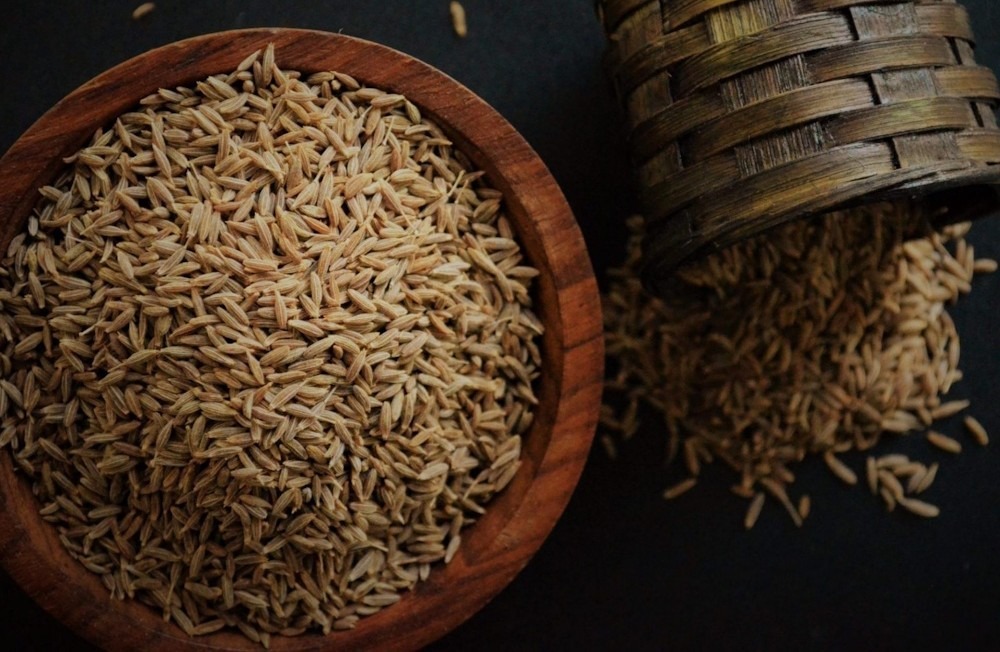
Jeera prices increased by 0.31% to close at Rs 22,405, bolstered by weather-related disruptions and postponed sowing, which persist in constraining near-term supplies. In Gujarat, the principal producing state, cumin sowing as of December 29 reached 3.99 lakh hectares, reflecting a decline of 14.2% year-on-year, attributed to irregular rainfall that has hindered field preparation. At the Unjha market, arrivals are notably low, and high-quality jeera continues to attract premium prices.
Logistical and weather challenges in India and the Middle East have imposed additional constraints on supply, thereby providing support to prices. Nonetheless, the potential for upside is constrained by ample carryover stocks and lackluster export demand. It is estimated that farmers are currently holding approximately 20 lakh bags, with only 3 to 4 lakh bags expected to be traded before the conclusion of the season. This situation results in a significant carry-forward stock of around 16 lakh bags.
Export demand from the Gulf and China has exhibited a slight uptick, yet it continues to be sensitive to price fluctuations, while the general level of overseas purchasing activity remains subdued. Jeera exports from April to October 2025 experienced a year-on-year decline of 13.2%, indicating a lack of robust global demand, even in the face of supply disruptions from competing sources like Syria, Turkey, and Afghanistan. In the Unjha spot market, prices declined by 0.44%, settling at Rs 22,079.
From a technical perspective, the market is experiencing short covering, as evidenced by a significant decline in open interest of 7.06% to 4,110, accompanied by a price increase of Rs 70. Jeera exhibits immediate support at Rs 22,250, with additional downside anticipated around Rs 22,090. Resistance is positioned at Rs 22,600, and a sustained movement above this threshold could propel prices toward Rs 22,790.