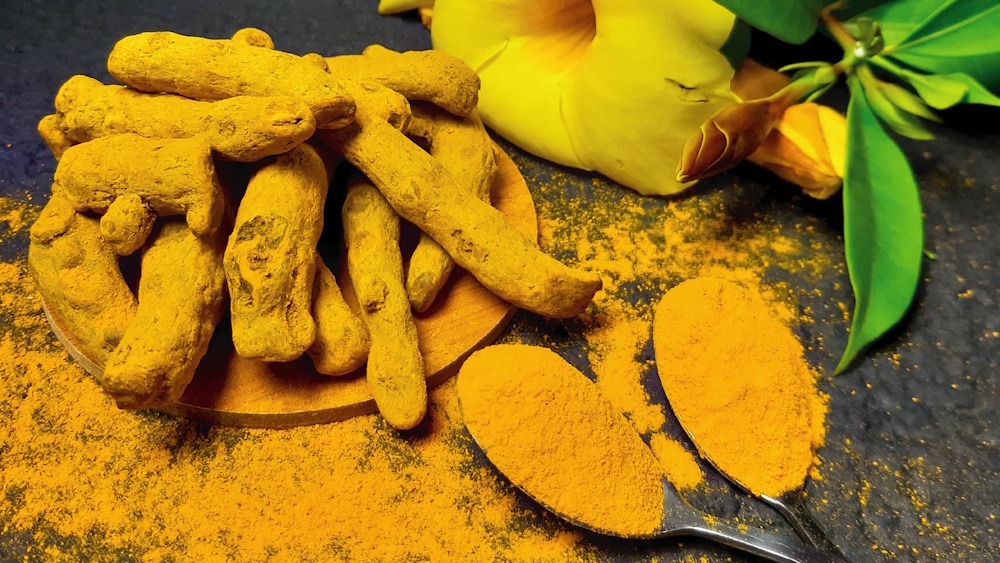
Turmeric experienced a decline of 2.03%, closing at Rs 26,436, as profit booking took place following a period of price appreciation driven by renewed demand, decreased stockist selling, and limited spot availability. Despite the correction, prices continued to receive support from declining carryforward stocks, drought-related crop damage, and concerns regarding the impact of El Niño-like conditions on the forthcoming harvest. Karnataka has documented losses in turmeric crops spanning 13,446 hectares, with an estimated value of Rs 188.24 crore, as per a collaborative drought assessment conducted by the state’s Horticulture and Revenue Departments alongside KSDMA.
Turmeric cultivation spans an area of roughly 18,000 to 20,000 hectares within the state. Industry estimates indicate that carryforward stocks have decreased to approximately 15 lakh bags, down from more than 20 lakh bags in the previous season, thereby constraining the overall supply buffer. However, expectations of a 15% increase in Indian turmeric production in 2026, supported by an estimated 20% expansion in acreage, particularly in Maharashtra, constrained the potential for further gains. Enhanced monsoon activity in Maharashtra, Telangana, and North Karnataka, coupled with improved reservoir levels in Telangana and Andhra Pradesh, has alleviated worries regarding crop stress. Re-sowing has been finalised in North Karnataka in the wake of recent rainfall; however, traders exercise caution regarding the potential for improved weather to result in increased yields.
Export performance exhibited a mixed trend, as turmeric exports declined by 14% year on year, totalling 14,736 tonnes in August 2026, down from 17,136 tonnes in the same month the previous year. Nonetheless, cumulative exports from April to August increased by 4%, reaching a total of 65,476 tonnes. In August, shipments to the UAE rose significantly by 50%, reaching 3,021 tonnes. The Netherlands experienced a 57% increase, totalling 697 tonnes, while Brazil saw a 37% rise to 654 tonnes. Conversely, exports to Bangladesh and Saudi Arabia experienced a notable decline. Demand for Integrated Pest Management certified turmeric from the European Union offered selective support, while stricter residue regulations exerted pressure on non-compliant commercial grades.
In Nizamabad, a significant spot market, prices experienced a decline of 0.24%, settling at Rs 25,244.75. Technically, the market is experiencing long unwinding, as evidenced by a 2.45% decrease in open interest to 18,100 contracts, coupled with a decline in prices of Rs 548. Turmeric exhibits support at Rs 26,070; a decline below this threshold may lead prices to test Rs 25,710. Conversely, resistance is identified at Rs 26,940, and a sustained movement above this level could propel prices toward Rs 27,450.