
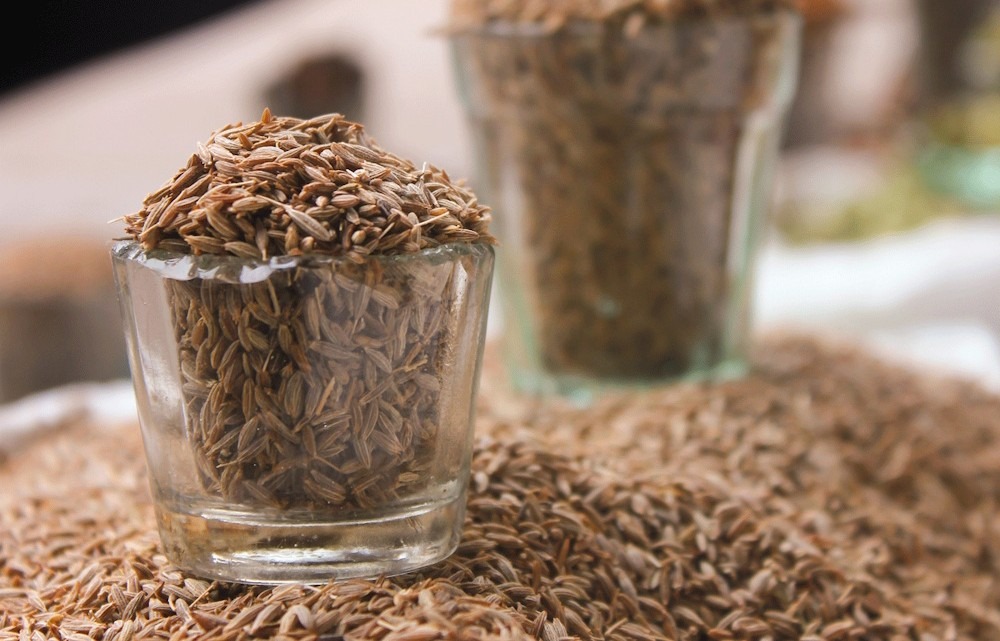
Jeera futures increased by 0.48% to close at Rs 22,160, bolstered by reduced sowing and rising supply apprehensions. Sowing in Gujarat has decreased by 14.34% year-on-year, totaling 4.08 lakh hectares compared to 4.76 lakh hectares in the previous season. National production for 2026 is projected to be between 90 and 92 lakh bags, a significant decline from the previous year’s total of 1.10 crore bags. Gujarat’s output is projected to be between 42 and 45 lakh bags, while Rajasthan’s is estimated at 48 to 50 lakh bags.
However, the increasing risk of aphid infestation in Rajasthan introduces an element of uncertainty. While the production outlook remains favorable, potential for price increases is limited as new crop arrivals have commenced in certain mandis and are anticipated to accelerate from March. Existing stocks remain comfortable, while subdued export demand continues to exert pressure on sentiment.
From April to December 2025, exports experienced a decline of 12.08%, totaling 145,137 tonnes, with shipments in December decreasing compared to both the previous year and the preceding month. In Unjha, prices experienced a decline of 0.26%, settling at Rs 21,957.4. Farmers are projected to possess approximately 20 lakh bags; however, it is anticipated that merely 3–4 lakh bags will be traded prior to the conclusion of the season, resulting in substantial carry-forward inventories.
From a technical perspective, the market is experiencing short covering, as evidenced by a 0.89% decrease in open interest to 4,353 lots, accompanied by a price increase of Rs 105. Immediate support is identified at Rs 21,930, with a breach possibly leading to a test of Rs 21,700. Resistance is identified at Rs 22,320, and a breach above this level may facilitate an extension of gains towards Rs 22,480.