
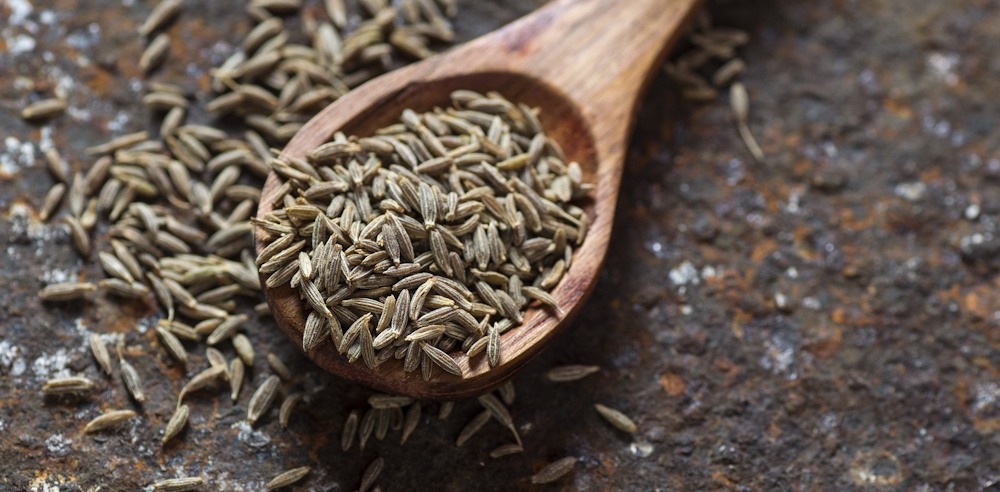
Jeera experienced a decline of 1.47%, closing at Rs 22,720, as new crop arrivals commenced in certain markets, with expectations of supply momentum building from March. Abundant existing stocks and muted export demand exerted additional pressure on prices. During the period from April to December 2025, exports experienced a decline of 12.08% compared to the previous year, with shipments in December showing a significant decrease both on an annual basis and sequentially, indicative of subdued demand from international markets. Spot prices in Unjha also eased by 0.71%.
Nonetheless, the potential drawbacks seem constrained. Sowing in Gujarat is down 14.34% year-on-year at 4.08 lakh hectares, pointing to tighter production prospects. National output for 2026 is projected to be between 90 and 92 lakh bags, a notable decline from last year’s figure of 1.10 crore bags. Production estimates indicate that Gujarat will yield between 42 and 45 lakh bags, while Rajasthan is projected to produce between 48 and 50 lakh bags.
Reports of aphid infestation in Rajasthan, alongside weather-related challenges in significant producing countries like Syria, Turkey, and Afghanistan, are contributing to a heightened level of uncertainty. It is estimated that farmers are holding approximately 20 lakh bags, although only a small portion may be traded prior to the end of the season, resulting in significant carry-forward stocks.
From a technical perspective, the market is experiencing renewed selling pressure, as evidenced by a 3.71% increase in open interest alongside a decline in prices of Rs 340. Support is identified at Rs 22,490 and Rs 22,240, whereas resistance is positioned at Rs 23,020; a breakthrough above this level may challenge Rs 23,300.