
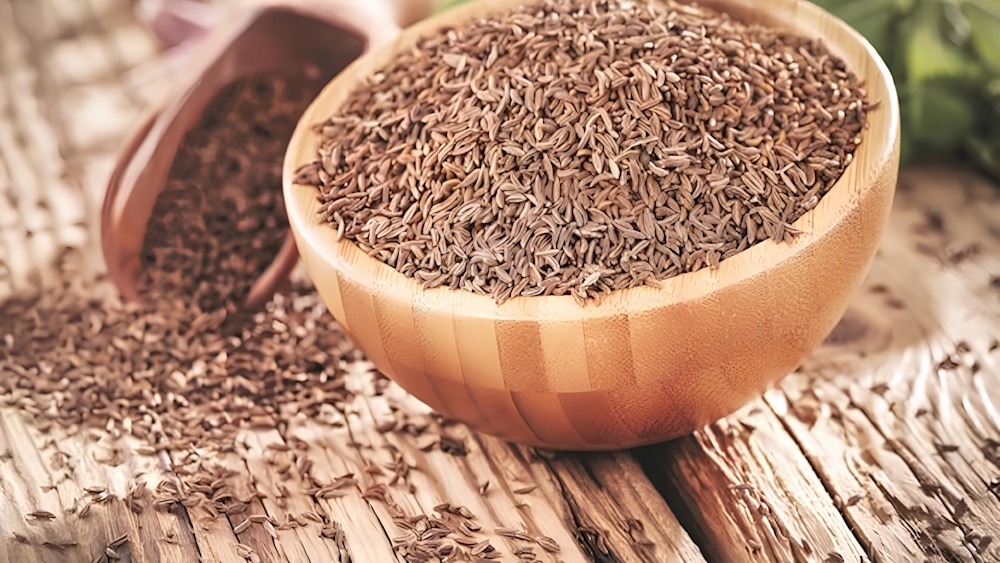
Jeera prices experienced a slight decline on Wednesday, closing down by 0.97% at Rs 24,020, influenced by ample near-term supplies and weak export demand in the context of sufficient existing stocks. Spot prices at Unjha, the key benchmark market, declined by 0.4% to Rs 23,768.15. Nonetheless, the potential for downside appears constrained, as weather-related disruptions and postponed sowing are bolstering sentiment. Gujarat is experiencing a notably sluggish sowing season this year, as evidenced by a significant decline in jeera acreage, which has fallen by 16.31% to 3.98 lakh hectares from 4.76 lakh hectares in the previous year.
Reduced arrivals at Unjha, coupled with elevated pricing for high-quality cumin, are contributing to market stability. At a fundamental level, demand exhibits a mixed pattern. Interest in exports from Gulf countries and China has exhibited slight improvement; however, it continues to be sensitive to price fluctuations. Concurrently, logistical and weather-related challenges in India and the Middle East are constraining supply levels.
The conclusion of the retail season, coupled with subdued overseas purchasing, has limited potential gains. Farmers are estimated to be holding approximately 20 lakh bags, with only 3–4 lakh bags expected to be traded, indicating a substantial carry-forward stock. Current season production is projected to be lower at 90–92 lakh bags, compared to 1.10 crore bags in the previous year, primarily attributed to a decrease in sowing activities.
From a technical perspective, the market is experiencing long liquidation, evidenced by a 4.82% decrease in open interest to 5,511, coinciding with a price decline of Rs 235. Jeera exhibits support at Rs 23,660; a breach beneath this level may lead to a test of Rs 23,290. Resistance is identified at Rs 24,460, and a persistent advance beyond this level could propel prices toward Rs 24,890.