
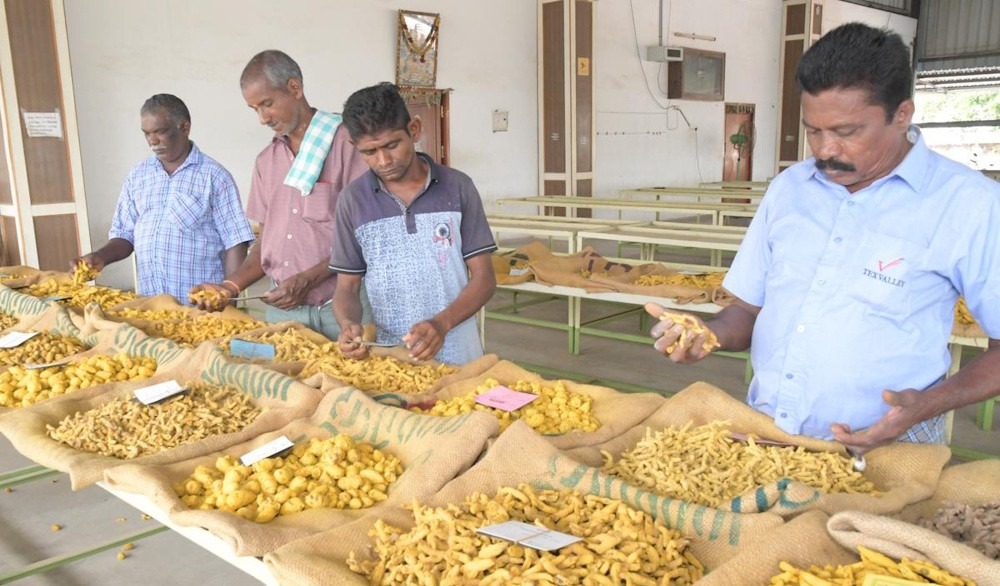
Turmeric prices experienced an increase of 1.85%, reaching Rs 14,716, driven by apprehensions regarding crop damage and a contraction in supplies from crucial agricultural areas. Significant precipitation in Maharashtra, Andhra Pradesh, Karnataka, and Nanded has impacted agricultural yields, with Nanded specifically indicating a 15% loss in crop production. Persistent rainfall in Erode has resulted in a rise in disease outbreaks and complications in storage attributable to elevated humidity, thereby exacerbating supply constraints. The inventory of stocks among farmers in Warangal is approaching depletion, and the lack of new arrivals over the past two days has contributed to the stability in prices.
Despite these immediate supply constraints, the potential for upside was somewhat limited by anticipations of increased acreage. Favorable rainfall during the sowing season, coupled with the comparatively lower profitability of alternative crops, is expected to drive turmeric acreage up by 15–20%, in contrast to the previous season’s 10% year-on-year increase to 3.30 lakh hectares.
Simultaneously, markets such as Duggirala are experiencing robust demand for the new crop, as superior-quality fresh arrivals are consistently commanding elevated prices. Policy support is bolstering sentiment, as Himachal Pradesh initiates government procurement to encourage natural farming. Export performance continues to exhibit robustness—turmeric exports for the period of April to September 2025 increased by 4.02%, with shipments in September experiencing a year-on-year rise of 7.59%, albeit a decline of 3.58% compared to August.
From a technical perspective, turmeric is currently experiencing a short covering phase, evidenced by a reduction in open interest of 11.43%, bringing it down to 7,750, while prices have increased by Rs 268. Support is positioned at Rs 14,372, with additional declines possibly probing Rs 14,026. Resistance stands at Rs 14,982, and a breakout may propel prices towards Rs 15,246.