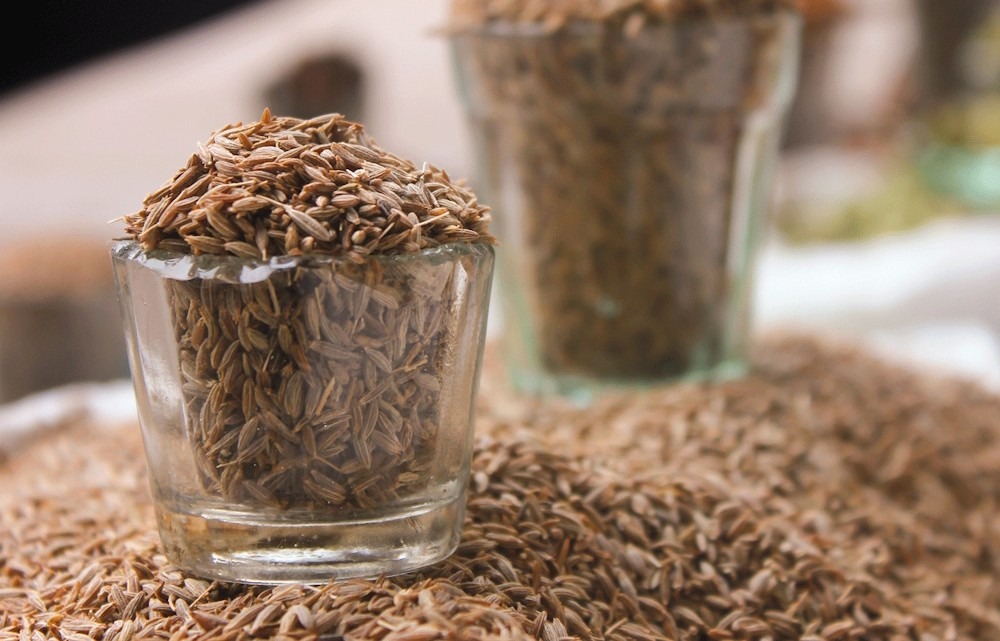
Jeera prices concluded at Rs 26,595, reflecting a 1.6% increase, driven by constrained nearby supplies, a reduction in arrivals, and anticipations of enhanced export demand during the lean season. Farmers have been withholding stocks in expectation of improved prices during the October sowing period, while the restricted supply of high-quality bold seeds has bolstered the market. While the general physical availability remains fairly consistent, the supplies of export-grade, high-purity cumin are diminishing more rapidly than expected, especially as shipments to key trading hubs like Unjha and Rajasthan have begun to decline. However, the potential for upward movement remained constrained by proactive selling from farmers aimed at securing liquidity for the forthcoming season, increasing NCDEX warehouse inventories, and prudent purchasing practices among industrial spice processors.
Geopolitical instability in the Middle East persists in influencing logistics and demand from conventional buyers, whereas a resurgence of interest from European and North American importers in residue-compliant, high-specification lots offers targeted support. Expectations of enhanced production in Turkey and Syria are exerting downward pressure on Indian export premiums. India’s cumin production is projected to be between 90 and 92 lakh bags this season, a decline from last year’s figure of 1.10 crore bags. This includes an estimated 42 to 45 lakh bags from Gujarat and 48 to 50 lakh bags from Rajasthan.
Adverse weather has led to a reported reduction in China’s production estimates to a range of 70,000-80,000 tonnes. In contrast, Syria, Turkey, and Afghanistan are projected to produce 9,000-10,000 tonnes, 10,000-11,000 tonnes, and 10,000-12,000 tonnes, respectively. Export performance continues to exhibit weakness, as evidenced by India’s jeera exports, which have decreased by 32% year-on-year to 9,318 tonnes in July 2026. Furthermore, cumulative exports from April to July have declined by 27%, totalling 53,462 tonnes compared to 73,026 tonnes during the same period last year. Robust cumulative export growth to Singapore, Libya, and Georgia could not compensate for the substantial 88% drop in shipments to China.
In Unjha, a significant spot market, prices decreased by 0.13% to Rs 26,120.35. Technically, jeera is experiencing new buying activity, as evidenced by a 1.38% rise in open interest to 9,276 contracts, coupled with a price increase of Rs 420, suggesting the establishment of new positions. Immediate support is positioned at Rs 26,120, succeeded by Rs 25,650, whereas resistance is identified at Rs 26,870 and Rs 27,140. A sustained break above Rs 26,870 could extend the recovery toward Rs 27,140, whereas a decline below Rs 26,120 may trigger further weakness.