
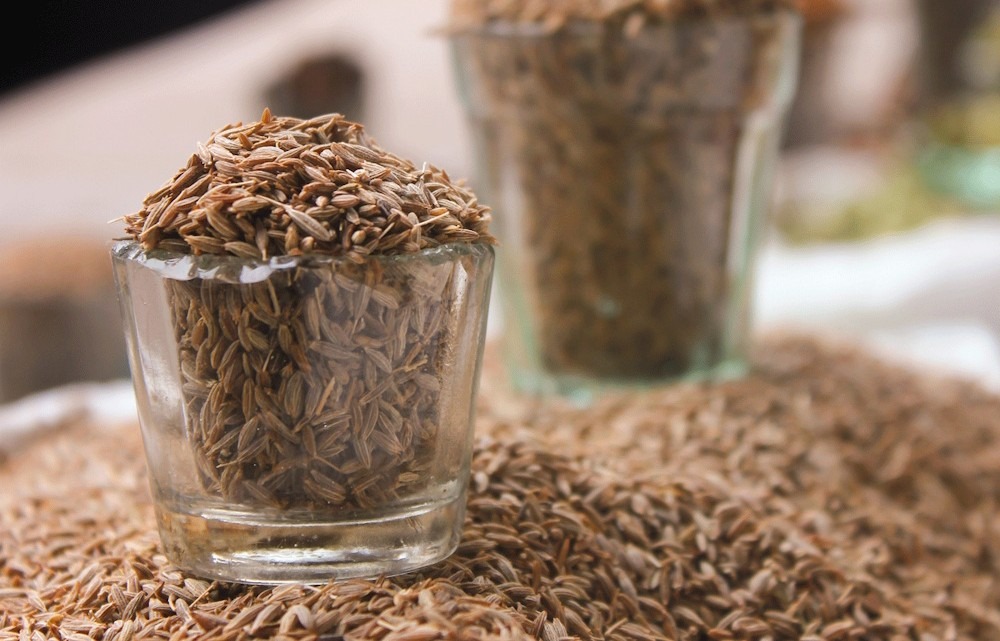
Jeera prices declined by 1.48% to close at Rs 22,020, primarily attributed to the influx of new crop arrivals and subdued export demand. Ample supplies coupled with muted purchasing activity, especially from China, have resulted in an accumulation of domestic inventories. Farmers are engaging in sales within local markets to capitalize on prevailing price levels, thereby intensifying the existing pressure.
Nevertheless, the drawbacks seem relatively constrained. Emerging weather concerns are particularly notable in North Gujarat, where increasing temperatures and the possibility of heatwaves may adversely affect seed development in late-sown crops. Production is anticipated to decrease by approximately 5% to 5.13 lakh tonnes, with Gujarat experiencing a significant reduction attributed to diminished acreage and yields. Although Rajasthan’s output may increase, the overall supply risks persist due to unpredictable weather patterns and pest challenges such as aphid infestations.
Export performance remains a significant concern for sentiment, as January shipments have declined by 48% compared to the previous year, while cumulative exports have decreased by 15%, indicative of subdued global demand. In light of constrained supplies in certain producing nations, the export momentum from India continues to be lackluster.
From a technical standpoint, the market is experiencing renewed selling pressure, as evidenced by a significant increase in open interest of 22.56% to 6,015, coinciding with a price decline of Rs 330. Jeera exhibits immediate support at Rs 21,780, with a breach below potentially probing Rs 21,530. On the upside, resistance is observed at Rs 22,300, and a movement beyond this threshold could propel prices towards Rs 22,570.