
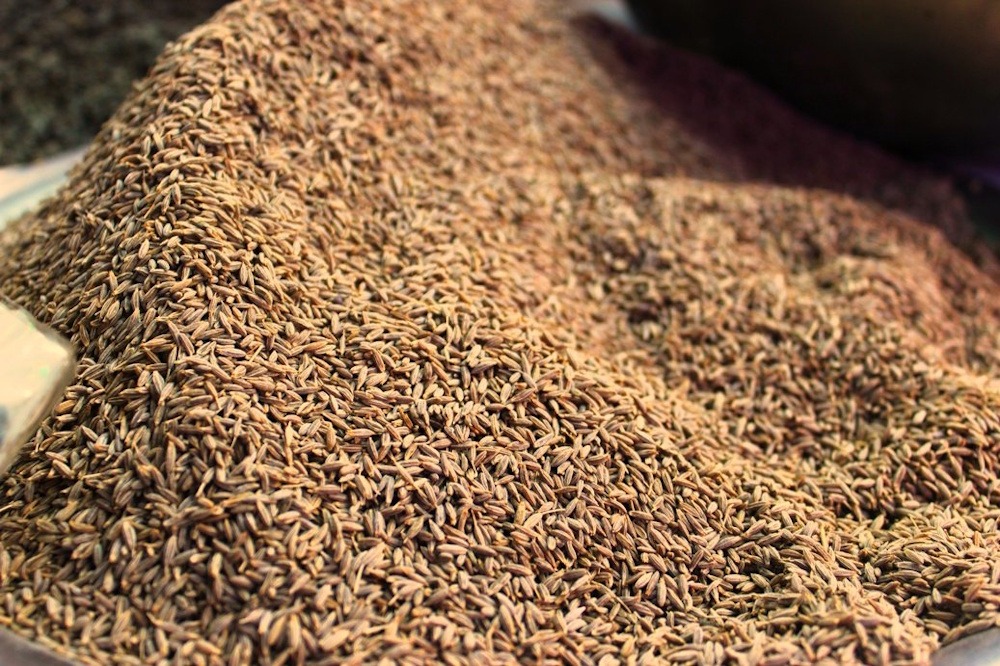
Jeera prices declined by 0.8% to close at Rs 22,285, primarily influenced by the early arrival of the new crop in certain mandis. As arrivals are anticipated to accelerate in the upcoming weeks, the market is experiencing pressure due to ample supplies and lackluster export demand.
Nevertheless, the potential drawbacks seem constrained, given the apprehensions regarding weather-related risks and diminished production forecasts. Gujarat, a significant agricultural state, is experiencing one of its slowest sowing seasons in recent years, with a decline in acreage exceeding 14% compared to the previous year. Production in this region is anticipated to decline significantly as a result of diminished acreage and lower yields.
Simultaneously, increasing temperatures and the likelihood of heatwaves in North Gujarat may adversely affect seed development, thereby sustaining supply concerns. Conversely, Rajasthan is expected to mitigate some losses through enhanced output, bolstered by improved yields and a modest rise in acreage. Demand exhibits a varied landscape. Despite the consistent purchasing of premium-quality cumin, the broader export demand remains subdued, as evidenced by a significant drop in shipments. Global uncertainties and logistical disruptions have significantly influenced trade flows.
The market is currently experiencing long liquidation, evidenced by a significant decline in open interest in conjunction with decreasing prices. Immediate support is identified at Rs 22,220, with additional downside potential towards Rs 22,130. Resistance is established at Rs 22,410, and a breach of this level may propel prices toward Rs 22,510.