
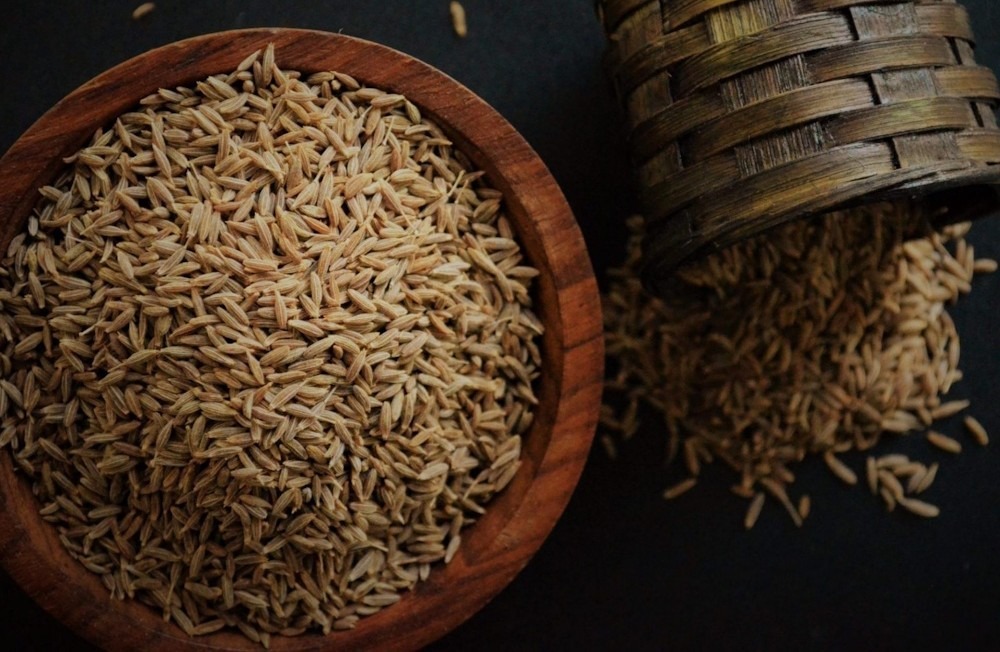
Jeera prices experienced a modest increase, rising by 0.76% to close at Rs 21,945, bolstered by apprehensions regarding weather conditions in significant production areas. The India Meteorological Department has issued a warning regarding increasing temperatures and the likelihood of heatwaves in North Gujarat. This situation may adversely affect seed development in late-sown crops, potentially leading to reduced yields. Overall production is anticipated to decrease by approximately 5% to 5.13 lakh tonnes this year, with a significant decline in output from Gujarat attributed to reduced acreage and yields.
However, Rajasthan may mitigate this decline to some extent with increased production. Notwithstanding these supply-side concerns, the potential for upside appears limited. The influx of the new crop has commenced and is anticipated to intensify through March, thereby exerting immediate pressure. Export demand remains subdued, as evidenced by January shipments falling 48% year-on-year, alongside a significant decrease in cumulative exports.
Ample existing inventories coupled with muted demand from international markets are dampening market sentiment. Nonetheless, robust demand for high-quality cumin, coupled with logistical difficulties in rival producing nations, is offering a degree of foundational support. Weather risks, pest concerns such as aphid infestation, and reduced sowing in Gujarat contribute to a sustained tightness in supply over the medium term.
From a technical perspective, the market is experiencing short covering, as evidenced by a 4.4% decline in open interest. Immediate support is identified at Rs 21,740, with additional downside potential toward Rs 21,540, while resistance is established at Rs 22,120, and a breakout could propel prices to Rs 22,300.