
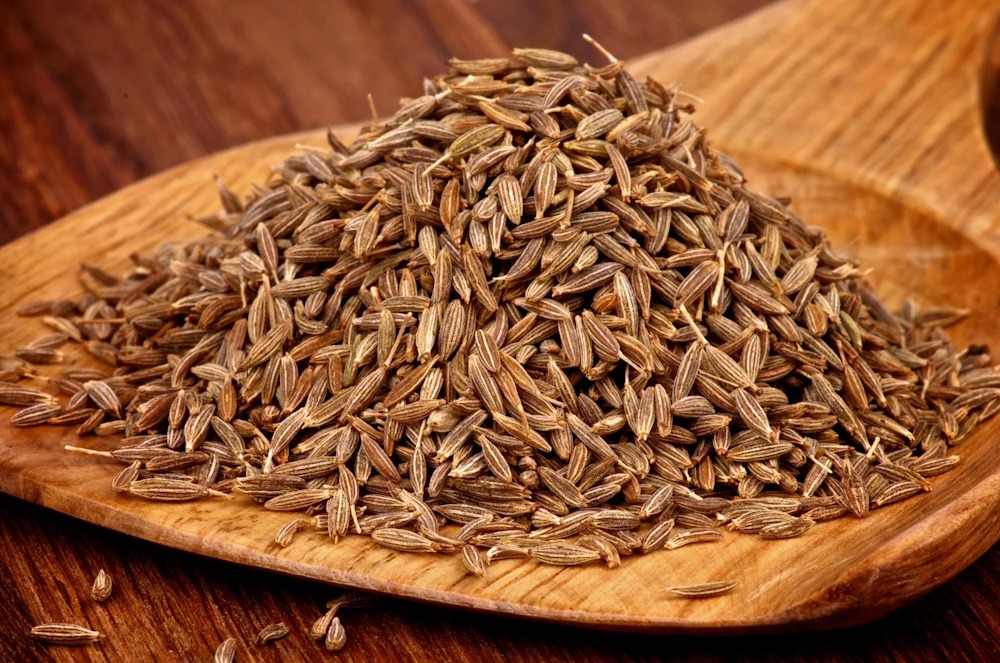
Jeera prices experienced a decline of 1.65%, closing at Rs 21,780, influenced by the influx of the new crop in major markets. As arrivals are projected to increase through March, it is anticipated that supply-side pressures will continue to be a significant factor. Furthermore, a lack of robust export demand coupled with ample existing inventories has contributed to a muted sentiment, thereby constraining any potential for immediate gains. Nevertheless, the potential for downside seems somewhat limited owing to reduced production forecasts.
Output for the current season is anticipated to decline by approximately 5% to 5.13 lakh tonnes. Gujarat is experiencing a significant decline in production attributed to decreased acreage and diminished yields, whereas Rajasthan is somewhat compensating for this with increased output. Weather disruptions and disease risks, such as aphid infestation, continue to be significant concerns for the crop.
On the demand front, export performance remains lackluster. In January, exports experienced a significant decline of 48% compared to the same month last year, while cumulative shipments have decreased by 15%. This downturn highlights the prevailing weak global demand and a lack of buying interest from international markets. Despite constrained supplies in rival nations such as Syria and Turkey, India’s export demand has not experienced a significant increase. In the spot market, prices in Unjha have also experienced a slight decline, indicative of the persistent pressure stemming from increasing arrivals.
From a technical perspective, the market is experiencing renewed selling pressure, as evidenced by a 2.86% increase in open interest to 7,020 concurrent with the decline in prices. Jeera is presently encountering support at Rs 21,450, with potential further decline towards Rs 21,110. Resistance is identified at Rs 22,090, and a breach of this threshold may propel prices toward Rs 22,390.