
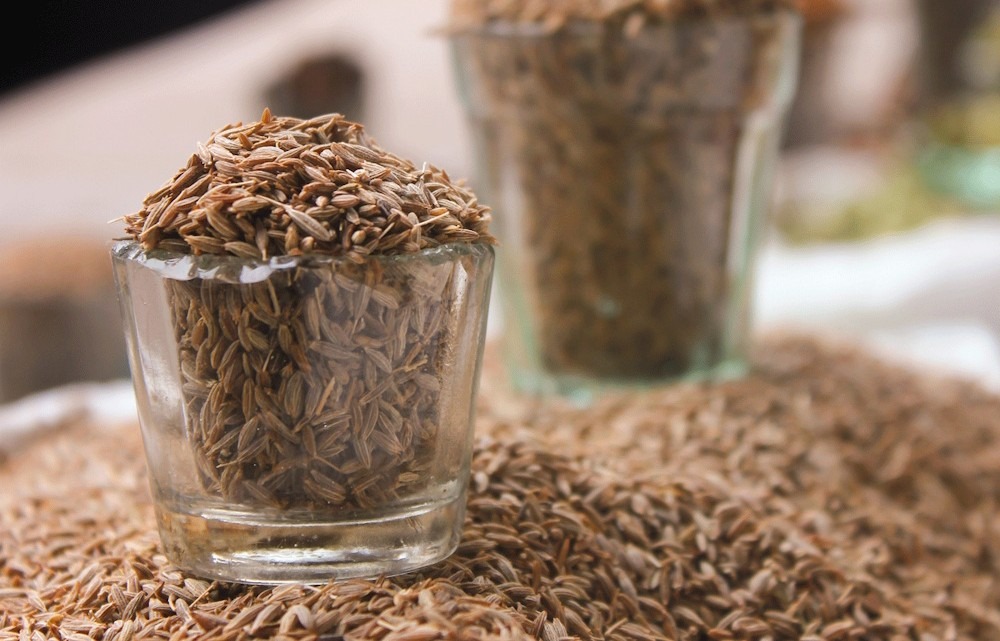
Jeera prices experienced a modest increase, rising by 0.55% to close at Rs 21,940, bolstered by anticipations of reduced total production for the season. Output is expected to decrease by approximately 5% to 5.13 lakh tonnes, primarily attributed to diminished acreage, unpredictable weather patterns, and crop losses resulting from diseases such as blight. In Gujarat, production is anticipated to decline significantly by 27% to 1.83 lakh tonnes, whereas Rajasthan could mitigate some of the losses with a 15% increase to 3.29 lakh tonnes, supported by improved yields and a slight expansion in acreage.
In light of the favorable supply projections, upward movement in prices appears constrained as new crop arrivals begin to enter the market, with expectations of an acceleration in this trend through March. Sowing in Gujarat has experienced a deceleration this year, reflecting a decline of 14.34% compared to the previous year. Concurrently, apprehensions regarding aphid infestation in Rajasthan are contributing to the uncertainty surrounding both crop quality and yield.
The demand side continues to experience significant pressure in the market. Export activity has exhibited weakness, as shipments from April to December 2025 decreased by 12.08%, totaling 145,137 tonnes. Current geopolitical tensions in West Asia, coupled with a lack of robust buying interest from international markets, have contributed to a decline in sentiment, despite ongoing constraints in global supply from nations such as Syria and Turkey.
From a technical standpoint, the market is experiencing new buying activity, as evidenced by an 8.38% increase in open interest to 5,898 lots, coinciding with a price rise of Rs 120. Immediate support is positioned at Rs 21,830, with a breach below possibly testing Rs 21,720, while resistance is identified at Rs 22,020, and an upward movement could drive prices toward Rs 22,100.