
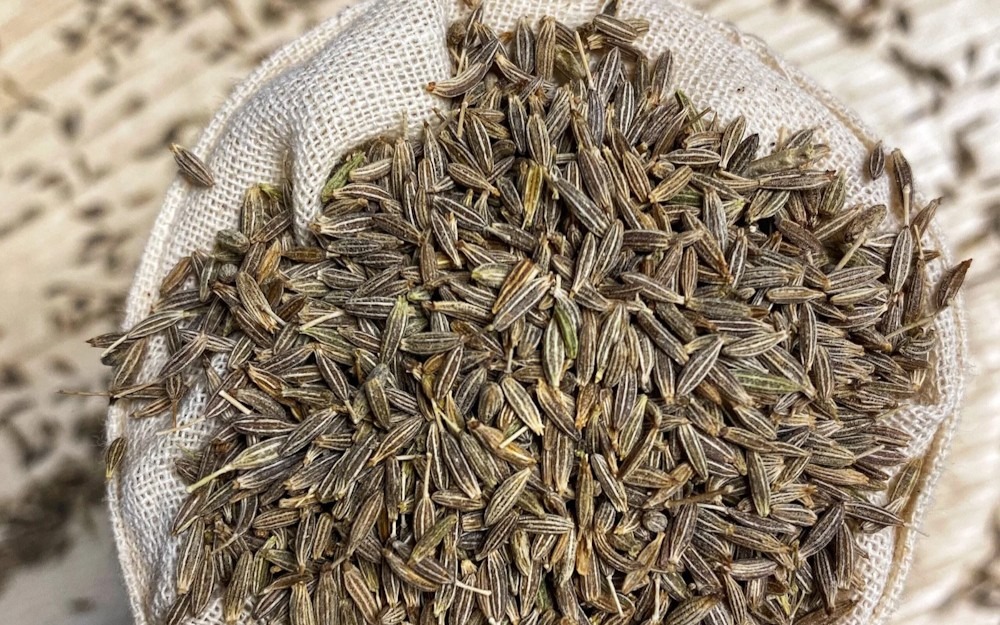
Jeera prices experienced a decline of 1.45%, concluding at Rs 21,820, influenced by the influx of the new crop in certain markets. Supplies are anticipated to rise further as arrivals accelerate through March, exerting short-term pressure on prices. The current softer tone can be attributed to comfortable availability and subdued export demand, as traders observe that a significant portion of the ongoing export business is being satisfied from existing stocks. Nonetheless, the downside in prices appears to be somewhat constrained, influenced by anticipations of reduced overall production this season.
Total cumin output in India is anticipated to decline by approximately 5% to roughly 5.13 lakh tonnes. In Gujarat, production is projected to decrease significantly by 27% to 1.83 lakh tonnes, primarily attributed to an 18% reduction in acreage and an 11% decline in yields. Conversely, Rajasthan’s production is projected to increase by 15% to 3.29 lakh tonnes, bolstered by a modest expansion in area and enhanced yields. Irregular weather patterns, diminished sowing activities, and the threat of diseases like blight and aphid infestations in Rajasthan continue to pose significant challenges for the agricultural sector.
Export demand has exhibited a notable degree of weakness. During the period from April to December 2025, jeera exports experienced a decline of 12.08%, totaling 145,137 tonnes, in contrast to 165,084 tonnes recorded in the corresponding timeframe of the previous year. In the spot market at Unjha, prices concluded at Rs 21,702.75, reflecting a decline of 0.7%.
From a technical perspective, the market is experiencing new selling activity, as open interest has increased by 8.56% to 5,442 lots, accompanied by a price decline of Rs 320. Immediate support is identified at Rs 21,660, with a breach of this threshold likely to challenge Rs 21,490. On the upside, resistance is likely near Rs 22,060, and a move above this level could propel prices toward Rs 22,290.