
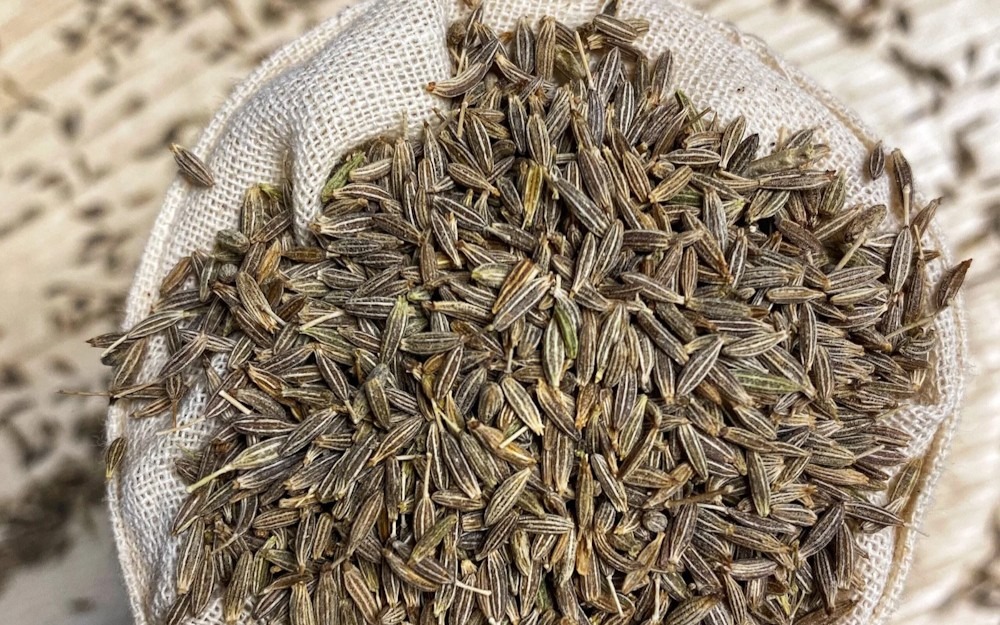
Jeera prices experienced a decline in the previous session, closing 0.65% lower at Rs 22,300, attributed to the commencement of new crop arrivals in various markets. Anticipated increases in supplies from March onward are exerting additional pressure on prices. The market encounters challenges due to ample stock levels and subdued export demand, as traders indicate a lack of significant new purchases from international buyers. In Gujarat, a significant producing region, the pace of sowing activity has lagged behind typical levels, with acreage declining by 14.34% year-on-year to approximately 4.08 lakh hectares.
Production in the state is anticipated to decline significantly as a result of reduced acreage and diminished yields. Conversely, Rajasthan is expected to experience enhanced output, bolstered by marginally increased acreage and improved yields. India’s cumin production is projected to decrease by approximately 5%, reaching around 5.13 lakh tonnes this season. This decline is primarily attributed to erratic weather patterns, a reduction in cultivated acreage, and the impact of crop diseases such as blight. The increasing likelihood of aphid infestation in Rajasthan is currently under careful observation.
On a global scale, supply uncertainties persist as production in nations such as Syria, Turkey, and Afghanistan continues to encounter disruptions. Nevertheless, export demand from India continues to be lackluster. Data indicates that jeera exports from April to December 2025 experienced a decline of 12.08%, totaling 145,137 tonnes in comparison to the corresponding period of the previous year.
The market is currently experiencing new selling pressure, as evidenced by a 4.87% increase in open interest to 4,458, alongside a decline in prices of Rs 145. Jeera exhibits immediate support at Rs 22,170, with a breach below this level likely to test Rs 22,040. On the upside, resistance is observed at Rs 22,410, and a movement beyond this threshold could propel prices toward Rs 22,520.