
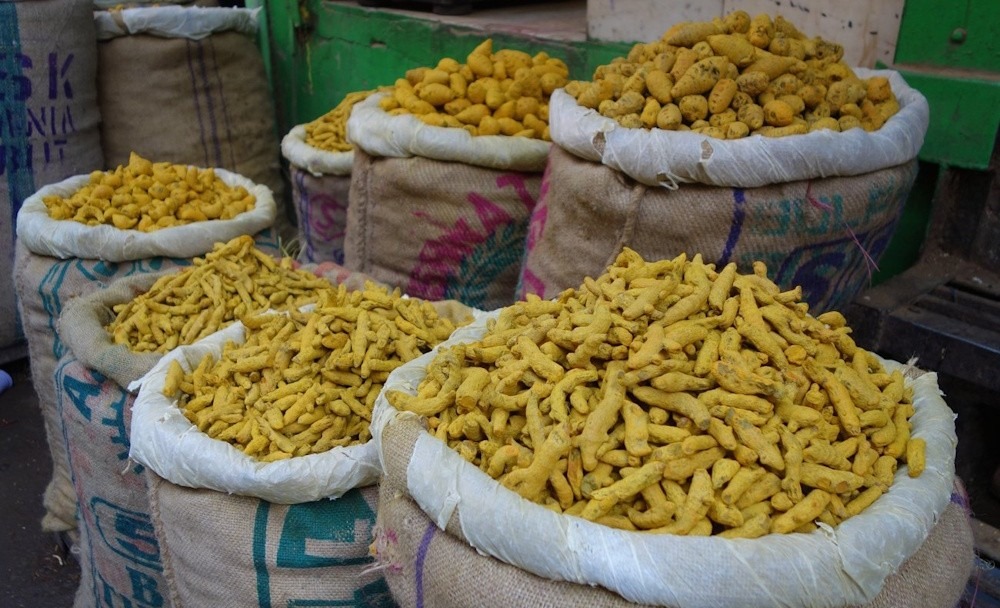
Turmeric prices experienced a slight decline in the previous session, closing 0.42% lower at Rs 14,606, primarily driven by anticipations of increased arrivals in the forthcoming weeks. In Erode, the anticipated increase in fresh turmeric supplies over the next 10–15 days is expected to exert downward pressure on prices in the short term. Concurrently, expanded acreage bolstered by beneficial monsoon rains has contributed to anticipations of elevated production this season. Notwithstanding the recent decline, the downside seems constrained as arrivals in numerous markets continue to fall short of normal levels, while both domestic and export demand persist robustly.
Farmers and stockists have notably diminished their inventories, establishing a solid foundation in anticipation of the forthcoming crop supplies. Production estimates indicate that India’s dried turmeric output may approach approximately 90 lakh bags, in contrast to 82.5 lakh bags from the previous season; however, diminished carry-forward stocks could limit the overall increase in availability.
Weather conditions have significantly influenced the crop outlook. Excess rainfall during August–September impacted regions of Marathwada, resulting in waterlogging and health concerns affecting approximately 15% of the area. The yields in Maharashtra, Andhra Pradesh, and Karnataka experienced a decline; however, an increase in acreage is anticipated to drive overall production upward. Export demand continues to exhibit robustness, especially from Europe and the United States.
From a technical perspective, the market is experiencing long liquidation, as evidenced by a 0.65% decrease in open interest to 18,360, alongside a price decline of Rs 62. Turmeric exhibits immediate support at Rs 14,238, with additional downside risks potentially probing Rs 13,868. On the upside, resistance is observed at Rs 14,822, and a breach above this threshold could propel prices toward Rs 15,036.