
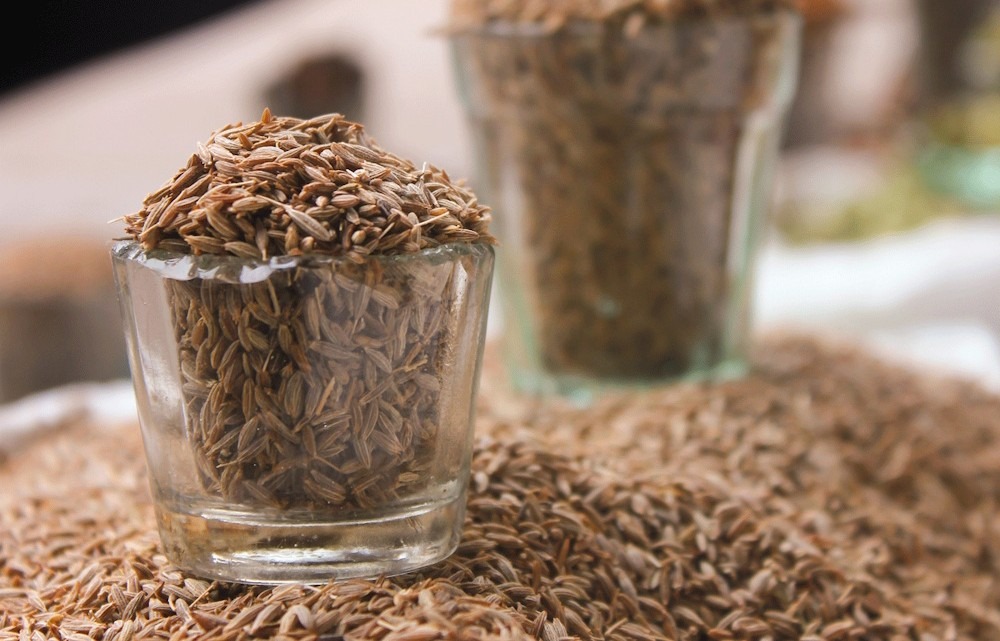
Jeera prices experienced a decline of 1.42%, concluding at 21,870, as the new crop began to arrive in certain markets, with expectations of further supply increases from March onward. The market encountered pressure due to ample existing stocks and a relatively subdued export demand, as international buyers continue to exhibit caution and price sensitivity. Market participants observed that a significant portion of the existing export demand is being satisfied by current inventories, thereby constraining new purchasing interest.
Despite the decline, the downside seems somewhat constrained owing to reduced sowing this season and restricted arrivals in critical markets. In Gujarat, the area dedicated to cumin sowing has decreased by approximately 14.34% compared to the previous year, now totaling around 4.08 lakh hectares. Consequently, national production for 2026 is projected to be approximately 90–92 lakh bags, marking a substantial decline from the previous year’s output of roughly 1.10 crore bags.
Simultaneously, the emergence of reports regarding aphid infestation risks in certain regions of Rajasthan is contributing to a sense of caution among market participants. At the Unjha market, the volume of arrivals remains subdued, while higher-quality cumin consistently attracts premium pricing. The GST Council’s decision to reduce the GST rate to 5% is expected to provide additional support, potentially enhancing domestic consumption and exports, especially within the FMCG sector.
From a technical perspective, the market is experiencing new selling pressure, as evidenced by a 14.32% increase in open interest to 3,234, alongside a price decline of Rs 315. Jeera exhibits immediate support at Rs 21,660; a breach below this level is expected to challenge the Rs 21,460 mark. On the upside, resistance is observed at Rs 22,210, and a movement beyond this threshold could propel prices toward Rs 22,560.