
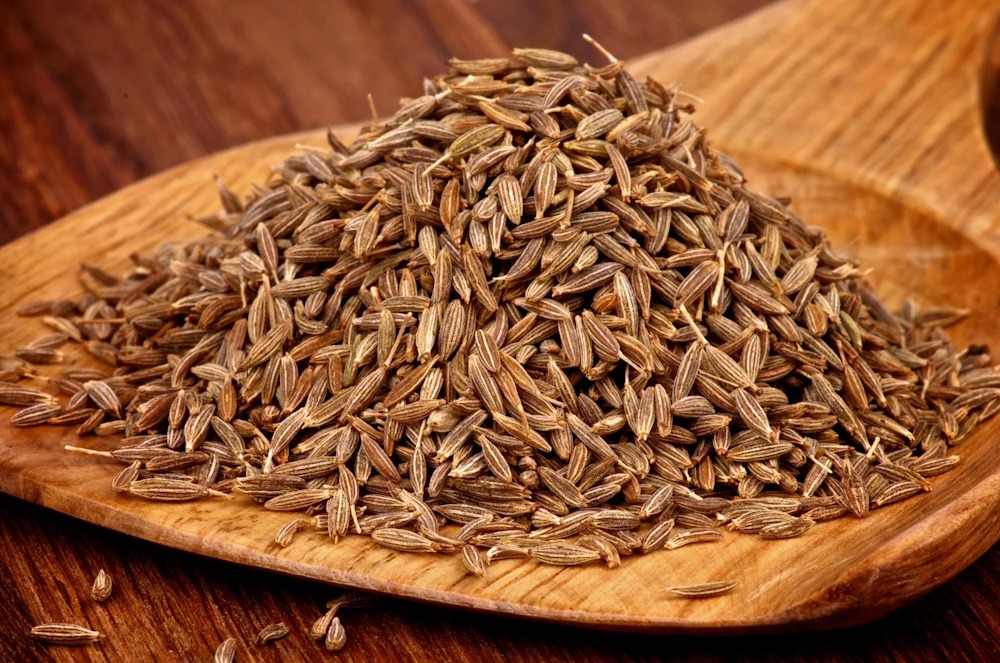
Jeera prices declined by 1.96%, concluding at Rs 22,055, as new crop arrivals commenced in select mandis, with expectations of increased supply momentum starting in March. Abundant stock levels coupled with lackluster export interest further dampened sentiment. Market participants observed that the prevailing international demand is predominantly influenced by price considerations, with the majority of export transactions being satisfied from pre-existing stockpiles. Nonetheless, the potential drawbacks seem constrained.
Sowing in Gujarat has decreased by 14.34% year-on-year, now at 4.08 lakh hectares. National production for 2026 is projected to be between 90 and 92 lakh bags, a notable decline from last year’s figure of 1.10 crore bags. Gujarat’s output is anticipated to be in the range of 42 to 45 lakh bags, whereas Rajasthan is expected to yield between 48 and 50 lakh bags. The increasing risk of aphid infestations in Rajasthan, coupled with a deceleration in sowing progress, has introduced a degree of uncertainty regarding crop outcomes.
It is estimated that farmers possess approximately 20 lakh bags; however, only 3–4 lakh bags are likely to be traded prior to the conclusion of the season, resulting in constrained carry-forward stocks. During the period from April to December 2025, exports experienced a year-on-year decline of 12.08%, totaling 145,137 tonnes. This downturn indicates a lack of robust global demand, even in the context of reduced production in nations such as China, Syria, and Turkey. In Unjha, spot prices declined by 0.26% to Rs 22,192.
From a technical perspective, the market is experiencing new selling pressure, as evidenced by a 2.38% increase in open interest, bringing it to 4,392. Support levels are identified at Rs 21,890 and Rs 21,710, whereas resistance is positioned at Rs 22,370. A breach of this level may challenge Rs 22,670.