
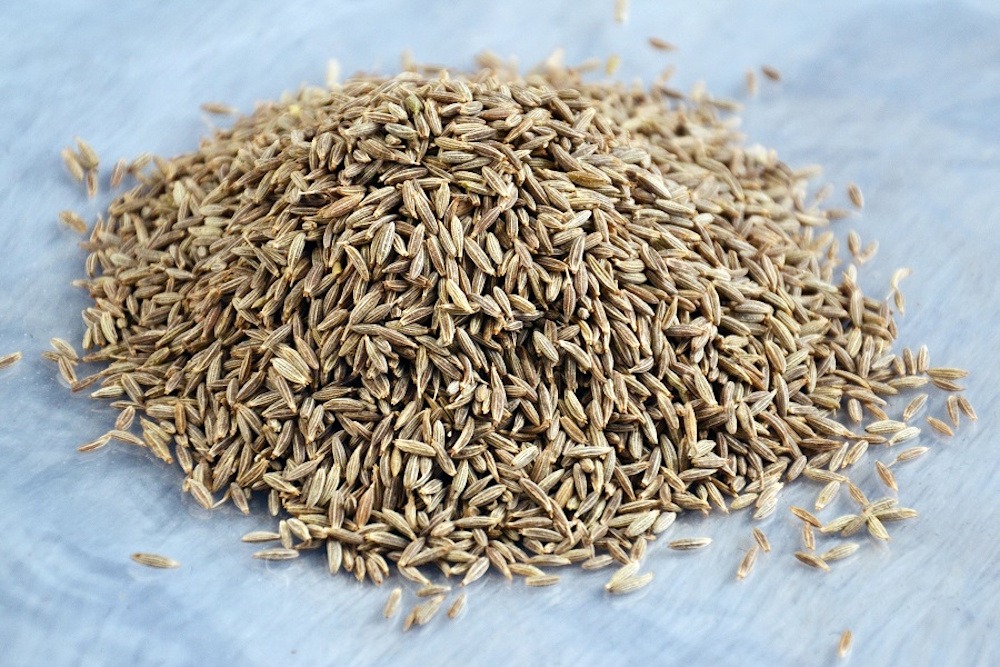
Jeera prices declined by 0.97%, closing at Rs 22,495, as the new crop commenced its arrival in select mandis, with expectations of supply gaining momentum from March. Elevated stock levels coupled with muted export demand have also impacted market sentiment. In Unjha, the principal spot market, prices have experienced a minor decline, settling at Rs 22,308. Nonetheless, constrained arrivals and robust prices for high-quality cumin provided a buffer against the decline.
Sowing in Gujarat has decreased by 14.34% year-on-year, now totaling 4.08 lakh hectares, which raises concerns regarding output levels. National production for 2026 is projected to be between 90 and 92 lakh bags, a notable decrease from the previous year’s figure of 1.10 crore bags. Gujarat’s output is anticipated to be in the range of 42 to 45 lakh bags, while Rajasthan’s is expected to fall between 48 and 50 lakh bags. Reports of aphid infestation in Rajasthan have heightened concerns regarding supply.
Globally, production in China, Syria, Turkey, and Afghanistan is anticipated to stay modest, influenced by weather conditions and geopolitical disruptions. Export performance continues to exhibit weakness. During the period from April to December 2025, shipments experienced a decline of 12.08% year-on-year, with December exports significantly lower than the previous year. While the Goods and Services Tax on jeera has been lowered to 5%, bolstering domestic and fast-moving consumer goods demand, foreign purchasing continues to be influenced by price sensitivity.
From a technical perspective, there is evidence of fresh selling, as indicated by an increase in open interest of 0.7%, reaching 4,290. Support levels are identified at Rs 22,340 and Rs 22,190, whereas resistance is noted at Rs 22,710. A breach of this level could propel prices toward Rs 22,930.