
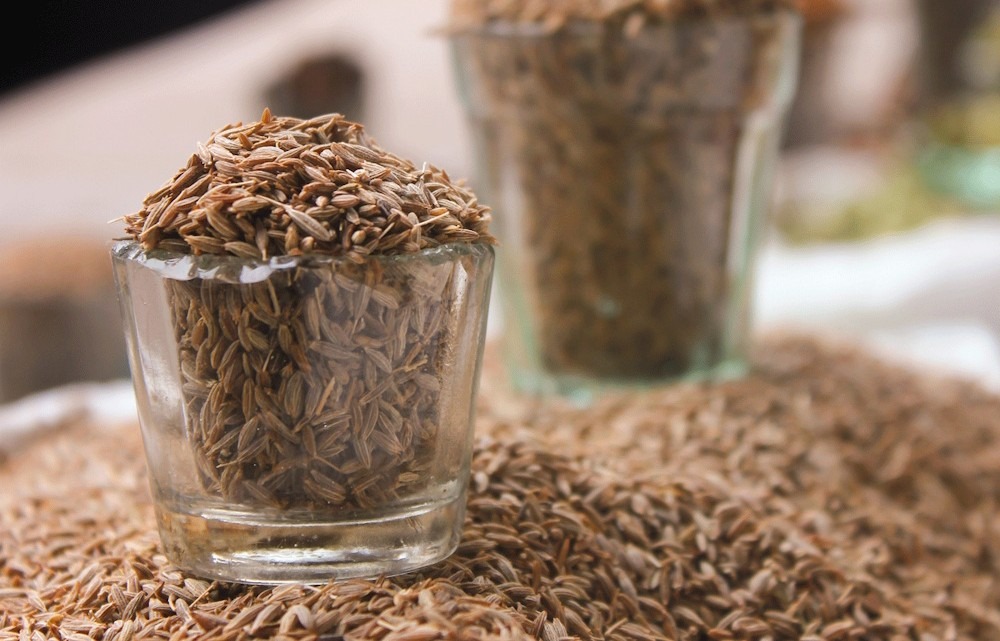
Jeera increased by 0.81% to close at Rs 23,060, bolstered by reduced sowing and constrained near-term supplies. In Gujarat, the area under cultivation has decreased by 14.34% compared to the previous year, totaling 4.08 lakh hectares. This decline marks one of the slowest sowing seasons observed in recent years, attributed to the untimely readiness of many fields. National production for 2026 is projected to be between 90 and 92 lakh bags, a significant decline from last year’s figure of 1.10 crore bags.
Gujarat is anticipated to contribute 42 to 45 lakh bags, while Rajasthan is expected to produce 48 to 50 lakh bags. Concerns are mounting regarding aphid infestation in critical agricultural regions of Rajasthan. The onset of new crop arrivals has simultaneously constrained the potential for upward movement. Arrivals are anticipated to accelerate beginning in March, as ample stocks and lackluster export interest continue to dampen sentiment.
While there has been a modest uptick in demand from Gulf nations and China, it continues to exhibit a high degree of price sensitivity. During the period from April to November 2025, exports experienced a decline of 10.30% compared to the previous year, despite November shipments reflecting a robust annual increase. It is estimated that farmers are holding approximately 20 lakh bags, with significant carry-forward stocks anticipated.
From a technical perspective, the market is experiencing short covering, as indicated by a 0.52% decline in open interest alongside a price increase of Rs 185. Support is identified at Rs 22,840 and Rs 22,630, whereas resistance is positioned at Rs 23,220; a breakthrough above this threshold may drive prices towards Rs 23,390.