
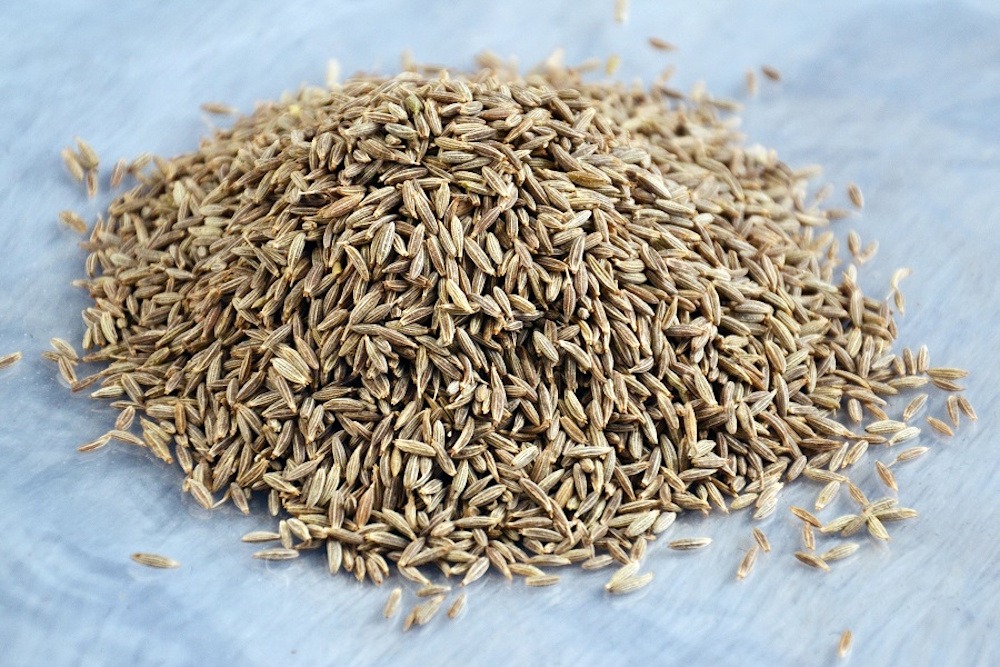
Jeera prices experienced a modest correction, concluding with a decline of 1.16% at Rs 21,820. This downturn was influenced by ample supplies and subdued export demand, alongside sufficient existing stocks. The decline, however, was constrained as adverse weather conditions and delayed sowing persistently underpin prices. As of 15 December 2025, jeera sowing in Gujarat reached 3.24 lakh hectares, reflecting a significant decline of 13.95% from the previous year’s 3.77 lakh hectares.
This downturn signifies one of the slowest sowing seasons in recent years, attributed to irregular rainfall and inadequately prepared fields. In the Unjha spot market, arrivals are notably low, with high-quality cumin continuing to attract premium prices. Export demand from Gulf countries and China has exhibited slight improvement; however, it continues to be significantly influenced by price sensitivity. Market participants observed that the end of the retail season, coupled with ongoing inactivity from international purchasers, limited upward potential, as current export obligations are primarily being fulfilled from existing inventories.
It is estimated that farmers are currently holding approximately 20 lakh bags, with only 3–4 lakh bags expected to be traded by the end of the season, resulting in significant carry-forward stocks. Current season production is projected at 90–92 lakh bags, a decline from last year’s 1.10 crore bags, indicative of diminished sowing activities. Export data further underscores weak demand, with shipments from April to October 2025 declining by 13.21% compared to the previous year.
From a technical perspective, the market is experiencing new selling pressure, as evidenced by a 0.45% increase in open interest to 4,035, alongside a price decline of Rs 255. Support is identified at Rs 21,590; a breach of this level may lead to a test of Rs 21,360. Conversely, resistance is positioned at Rs 22,160, with potential for further upward movement towards Rs 22,500.